
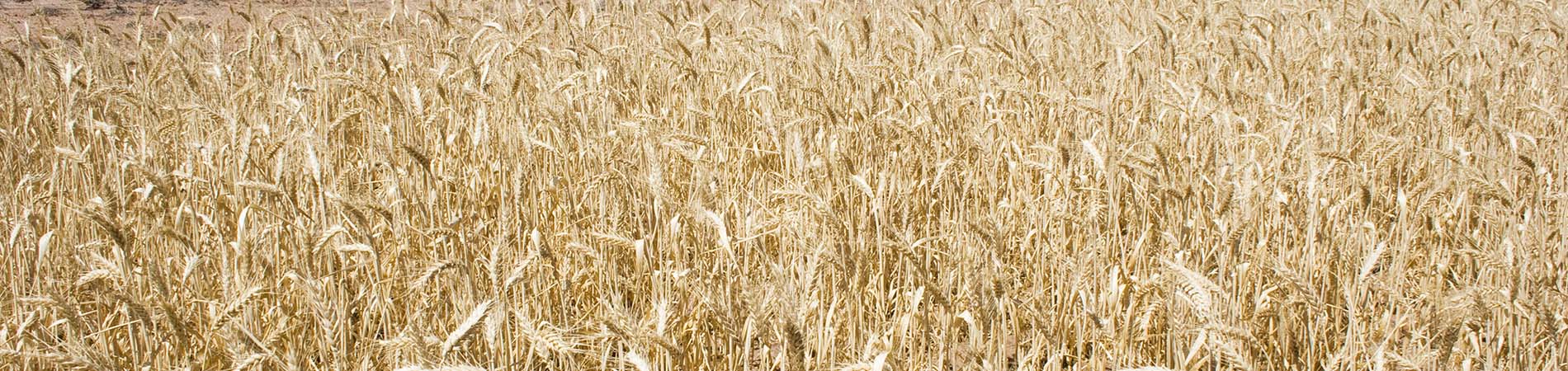
Medicago sativa seed
Country
United Kingdom (GB)
Group
Grains / Seeds
End use
Sowing
NPPO Details
Department for Environment, Food and Rural Affairs (DEFRA)
Relevant Web Addresses
| Criteria | Criteria Required? |
|---|---|
| Import Permit | No |
| Phytosanitary Certificate | Yes |
| Additional Declaration/Endorsement | Yes |
| Protocol Market | No |
Explanation of the endorsements
Endorsement 6111:
- An area freedom certificate is required to endorse freedom from Bacterial wilt of alfalfa (Clavibacter michiganensis ssp insidiosus).
- A crop inspection report is required to endorse freedom from Stem and bulb nematode (Ditylenchus dipsaci) during the previous cropping; and
- A manufacturer's declaration stating no main hosts have been grown during the two preceding years on the site of production and appropriate hygiene measures have been taken to prevent Stem and bulb nematode (Ditylenchus dipsaci) infestation of the place of production is required.
- No treatment is required.
Endorsement 6112:
- A field inspection report is required to endorse freedom from Bacterial wilt of alfalfa (Clavibacter michiganensis ssp insidiosus); and
- A manufacturer's declaration stating seeds in this consignment have been sourced from a crop grown on land on which no previous Medicago sativa crop has been present during the last three years prior to sowing is required.
- A crop inspection report is required to endorse freedom from Stem and bulb nematode (Ditylenchus dipsaci) during the previous cropping; and
- A manufacturer's declaration stating no main hosts have been grown during the two preceding years on the site of production and appropriate hygiene measures have been taken to prevent Stem and bulb nematode (Ditylenchus dipsaci) infestation of the place of production is required.
- No treatment is required.
Endorsement 6113:
- A breeder's note attesting to the resistance of the seed variety to Bacterial wilt of alfalfa (Clavibacter michiganensis ssp insidiosus) is required; and
- A laboratory analysis certificate certifying that the inert matter contents do not exceed 0.1% by weight is required.
- A crop inspection report is required to endorse freedom from Stem and bulb nematode (Ditylenchus dipsaci) during the previous cropping; and
- A manufacturer's declaration stating no main hosts have been grown during the two preceding years on the site of production and appropriate hygiene measures have been taken to prevent Stem and bulb nematode (Ditylenchus dipsaci) infestation of the place of production is required.
- No treatment is required.
Endorsement 6114:
- An area freedom certificate is required to endorse freedom from Bacterial wilt of alfalfa (Clavibacter michiganensis ssp insidiosus).
- A crop inspection report is required to endorse freedom from Stem and bulb nematode (Ditylenchus dipsaci) during the previous cropping; and
- A laboratory analysis certificate is required to endorse freedom from Stem and bulb nematode (Ditylenchus dipsaci).
- No treatment is required.
Endorsement 6115:
- A field inspection report is required to endorse freedom from Bacterial wilt of alfalfa (Clavibacter michiganensis ssp insidiosus); and
- A manufacturer's declaration stating seeds in this consignment have been sourced from a crop grown on land on which no previous Medicago sativa crop has been present during the last three years prior to sowing is required.
- A crop inspection report is required to endorse freedom from Stem and bulb nematode (Ditylenchus dipsaci) during the previous cropping; and
- A laboratory analysis certificate is required to endorse freedom from Stem and bulb nematode (Ditylenchus dipsaci).
- No treatment is required.
Endorsement 6116:
- A breeder's note attesting to the resistance of the seed variety to Bacterial wilt of alfalfa (Clavibacter michiganensis ssp insidiosus) is required; and
- A laboratory analysis certificate certifying that the inert matter contents do not exceed 0.1% by weight is required.
- A crop inspection report is required to endorse freedom from Stem and bulb nematode (Ditylenchus dipsaci) during the previous cropping; and
- A laboratory analysis certificate is required to endorse freedom from Stem and bulb nematode (Ditylenchus dipsaci).
- No treatment is required.
Endorsement 6117:
- An area freedom certificate is required to endorse freedom from Bacterial wilt of alfalfa (Clavibacter michiganensis ssp insidiosus).
- The seeds must be subjected to hot water treatment or fumigation prior to export and must be tested after treatment and found free of Stem and bulb nematode (Ditylenchus dipsaci); and
- A laboratory analysis certificate is required to endorse freedom from Stem and bulb nematode (Ditylenchus dipsaci).
- Refer to the Treatment section for treatment requirements.
Endorsement 6118:
- A field inspection report is required to endorse freedom from Bacterial wilt of alfalfa (Clavibacter michiganensis ssp insidiosus); and
- A manufacturer's declaration stating seeds in this consignment have been sourced from a crop grown on land on which no previous Medicago sativa crop has been present during the last three years prior to sowing is required.
- The seeds must be subjected to hot water treatment or fumigation prior to export and must be tested after treatment and found free of Stem and bulb nematode (Ditylenchus dipsaci); and
- A laboratory analysis certificate is required to endorse freedom from Stem and bulb nematode (Ditylenchus dipsaci).
- Refer to the Treatment section for treatment requirements.
Endorsement 6119:
- A breeder's note attesting to the resistance of the seed variety to Bacterial wilt of alfalfa (Clavibacter michiganensis ssp insidiosus) is required; and
- A laboratory analysis certificate certifying that the inert matter contents do not exceed 0.1% by weight is required.
- The seeds must be subjected to hot water treatment or fumigation prior to export and must be tested after treatment and found free of Stem and bulb nematode (Ditylenchus dipsaci); and
- A laboratory analysis certificate is required to endorse freedom from Stem and bulb nematode (Ditylenchus dipsaci).
- Refer to the Treatment section for treatment requirements.
If Endorsement 6117, 6118 or 6119 is selected, the seeds must be subjected to hot water treatment or fumigation prior to export. Fumigation must be done as per one of the fumigation treatment options listed below.
Fumigation treatment for Stem and bulb nematode (Ditylenchus dipsaci)
A - Methyl bromide at Atmospheric pressure – EPPO Standard
| Temperature, ⁰C | Initial dosage (CTP, g-h/m3) | Exposure period, Hours | ||
| Moisture contents,% | ||||
| 10% | 11 - 12 | 13 - 14 | 24 | |
| 10 - 20 | 55 g/m3 (1300) | 50 g/m3 (1100) | 40 g/m3 (900) | 24 |
| 21 - 25 | 50 g/m3 (1100) | 40 g/m3 (900) | 35 g/m3 (800) | 24 |
| 26 - 30 | 40 g/m3 (800) | 35 g/m3 (800) | 30 g/m3 (700) | 24 |
B – Methyl bromide under vacuum (8 – 95 kPa) – EPPO Standard
| Temperature, ⁰C | Initial dosage, g/m3 | Exposure period, hours |
| 10 - 20 | 50 | 24 |
| 21 - 25 | 50 | 20 |
| 26 - 30 | 50 | 16 |
Fumigation with methyl iodide at 20 – 80 g/m3 for 24 hours
Physical Treatment for Stem and bulb nematode (Ditylenchus dipsaci)
- Hot water dipping at 44⁰C for 4 hours
- Seeds can be disinfected by hot-water treatments by soaking them in 44 to 46°C water with formalin, a formaldehyde solution, for two to three hours.
Option 1 (EXDOC Endorsement 6111)
1) Seeds in this consignment have been sourced from area known to be free of Bacterial wilt of alfalfa (Clavibacter michiganensis ssp insidiosus),
2) No symptoms of Stem and bulb nematode (Ditylenchus dipsaci) have been observed at the site of production during the previous cropping and no main hosts have been grown during the two preceding years on the site of production and appropriate hygiene measures have been taken to prevent infestation of the place of production.
Option 2 (EXDOC Endorsement 6112)
1) Seeds in this consignment have been sourced from a crop grown on land on which no previous Medicago sativa crop has been present during the last three years prior to sowing and no symptoms of Bacterial wilt of alfalfa (Clavibacter michiganensis ssp insidiosus) have been observed during field inspection at the site of production or no symptoms of Bacterial wilt of alfalfa (Clavibacter michiganensis ssp insidiosus) have been observed on any crop adjacent to it, during the previous cropping,
2) No symptoms of Stem and bulb nematode (Ditylenchus dipsaci) have been observed at the site of production during the previous cropping and no main hosts have been grown during the two preceding years on the site of production and appropriate hygiene measures have been taken to prevent infestation of the place of production.
Option 3 (EXDOC Endorsement 6113)
1) The crop belongs to a variety recognised as being highly resistant to Bacterial wilt of alfalfa (Clavibacter michiganensis ssp insidiosus) and inert matter contents do not exceed 0.1% by weight,
2) No symptoms of Stem and bulb nematode (Ditylenchus dipsaci) have been observed at the site of production during the previous cropping and no main hosts have been grown during the two preceding years on the site of production and appropriate hygiene measures have been taken to prevent infestation of the place of production.
Option 4 (EXDOC Endorsement 6114)
1) Seeds in this consignment have been sourced from area known to be free of Bacterial wilt of alfalfa (Clavibacter michiganensis ssp insidiosus),
2) No symptoms of Stem and bulb nematode (Ditylenchus dipsaci) have been observed at the place of production during the previous cropping and representative sample was found free through nematological laboratory testing of Stem and bulb nematode (Ditylenchus dipsaci).
Option 5 (EXDOC Endorsement 6115)
1) Seeds in this consignment have been sourced from a crop grown on land on which no previous Medicago sativa crop has been present during the last three years prior to sowing and no symptoms of Bacterial wilt of alfalfa (Clavibacter michiganensis ssp insidiosus) have been observed during field inspection at the site of production or no symptoms of Bacterial wilt of alfalfa (Clavibacter michiganensis ssp insidiosus) have been observed on any crop adjacent to it during the previous cropping,
2) No symptoms of Stem and bulb nematode (Ditylenchus dipsaci) have been observed at the place of production during the previous cropping and representative sample was found free through nematological laboratory testing of Stem and bulb nematode (Ditylenchus dipsaci).
Option 6 (EXDOC Endorsement 6116)
1) The crop belongs to a variety recognised as being highly resistant to Bacterial wilt of alfalfa (Clavibacter michiganensis ssp insidiosus) and inert matter contents do not exceed 0.1% by weight,
2) No symptoms of Stem and bulb nematode (Ditylenchus dipsaci) have been observed at the place of production during the previous cropping and representative sample was found free through nematological laboratory testing of Stem and bulb nematode (Ditylenchus dipsaci).
Option 7 (EXDOC Endorsement 6117)
1) Seeds in this consignment have been sourced from area known to be free of Bacterial wilt of alfalfa (Clavibacter michiganensis ssp insidiosus),
2) The seeds have been subjected to an appropriate physical or chemical treatment against Stem and bulb nematode (Ditylenchus dipsaci) and have been found to be free of this pest after laboratory tests on a representative sample.
Option 8 (EXDOC Endorsement 6118)
1) Seeds in this consignment have been sourced from a crop grown on land on which no previous Medicago sativa crop has been present during the last three years prior to sowing and no symptoms of Bacterial wilt of alfalfa (Clavibacter michiganensis ssp insidiosus) have been observed during field inspection at the site of production or no symptoms of Bacterial wilt of alfalfa (Clavibacter michiganensis ssp insidiosus) have been observed on any crop adjacent to it during the previous cropping,
2) The seeds have been subjected to an appropriate physical or chemical treatment against Stem and bulb nematode (Ditylenchus dipsaci) and have been found to be free of this pest after laboratory tests on a representative sample.
Option 9 (EXDOC Endorsement 6119)
1) The crop belongs to a variety recognised as being highly resistant to Bacterial wilt of alfalfa (Clavibacter michiganensis ssp insidiosus) and inert matter contents do not exceed 0.1% by weight,
2) The seeds have been subjected to an appropriate physical or chemical treatment against Stem and bulb nematode nematode (Ditylenchus dipsaci) and have been found to be free of this pest after laboratory tests on a representative sample.
2) No symptoms of Stem and bulb nematode (Ditylenchus dipsaci) have been observed at the site of production during the previous cropping and no main hosts have been grown during the two preceding years on the site of production and appropriate hygiene measures have been taken to prevent infestation of the place of production.
Option 2 (EXDOC Endorsement 6112)
1) Seeds in this consignment have been sourced from a crop grown on land on which no previous Medicago sativa crop has been present during the last three years prior to sowing and no symptoms of Bacterial wilt of alfalfa (Clavibacter michiganensis ssp insidiosus) have been observed during field inspection at the site of production or no symptoms of Bacterial wilt of alfalfa (Clavibacter michiganensis ssp insidiosus) have been observed on any crop adjacent to it, during the previous cropping,
2) No symptoms of Stem and bulb nematode (Ditylenchus dipsaci) have been observed at the site of production during the previous cropping and no main hosts have been grown during the two preceding years on the site of production and appropriate hygiene measures have been taken to prevent infestation of the place of production.
Option 3 (EXDOC Endorsement 6113)
1) The crop belongs to a variety recognised as being highly resistant to Bacterial wilt of alfalfa (Clavibacter michiganensis ssp insidiosus) and inert matter contents do not exceed 0.1% by weight,
2) No symptoms of Stem and bulb nematode (Ditylenchus dipsaci) have been observed at the site of production during the previous cropping and no main hosts have been grown during the two preceding years on the site of production and appropriate hygiene measures have been taken to prevent infestation of the place of production.
Option 4 (EXDOC Endorsement 6114)
1) Seeds in this consignment have been sourced from area known to be free of Bacterial wilt of alfalfa (Clavibacter michiganensis ssp insidiosus),
2) No symptoms of Stem and bulb nematode (Ditylenchus dipsaci) have been observed at the place of production during the previous cropping and representative sample was found free through nematological laboratory testing of Stem and bulb nematode (Ditylenchus dipsaci).
Option 5 (EXDOC Endorsement 6115)
1) Seeds in this consignment have been sourced from a crop grown on land on which no previous Medicago sativa crop has been present during the last three years prior to sowing and no symptoms of Bacterial wilt of alfalfa (Clavibacter michiganensis ssp insidiosus) have been observed during field inspection at the site of production or no symptoms of Bacterial wilt of alfalfa (Clavibacter michiganensis ssp insidiosus) have been observed on any crop adjacent to it during the previous cropping,
2) No symptoms of Stem and bulb nematode (Ditylenchus dipsaci) have been observed at the place of production during the previous cropping and representative sample was found free through nematological laboratory testing of Stem and bulb nematode (Ditylenchus dipsaci).
Option 6 (EXDOC Endorsement 6116)
1) The crop belongs to a variety recognised as being highly resistant to Bacterial wilt of alfalfa (Clavibacter michiganensis ssp insidiosus) and inert matter contents do not exceed 0.1% by weight,
2) No symptoms of Stem and bulb nematode (Ditylenchus dipsaci) have been observed at the place of production during the previous cropping and representative sample was found free through nematological laboratory testing of Stem and bulb nematode (Ditylenchus dipsaci).
Option 7 (EXDOC Endorsement 6117)
1) Seeds in this consignment have been sourced from area known to be free of Bacterial wilt of alfalfa (Clavibacter michiganensis ssp insidiosus),
2) The seeds have been subjected to an appropriate physical or chemical treatment against Stem and bulb nematode (Ditylenchus dipsaci) and have been found to be free of this pest after laboratory tests on a representative sample.
Option 8 (EXDOC Endorsement 6118)
1) Seeds in this consignment have been sourced from a crop grown on land on which no previous Medicago sativa crop has been present during the last three years prior to sowing and no symptoms of Bacterial wilt of alfalfa (Clavibacter michiganensis ssp insidiosus) have been observed during field inspection at the site of production or no symptoms of Bacterial wilt of alfalfa (Clavibacter michiganensis ssp insidiosus) have been observed on any crop adjacent to it during the previous cropping,
2) The seeds have been subjected to an appropriate physical or chemical treatment against Stem and bulb nematode (Ditylenchus dipsaci) and have been found to be free of this pest after laboratory tests on a representative sample.
Option 9 (EXDOC Endorsement 6119)
1) The crop belongs to a variety recognised as being highly resistant to Bacterial wilt of alfalfa (Clavibacter michiganensis ssp insidiosus) and inert matter contents do not exceed 0.1% by weight,
2) The seeds have been subjected to an appropriate physical or chemical treatment against Stem and bulb nematode nematode (Ditylenchus dipsaci) and have been found to be free of this pest after laboratory tests on a representative sample.
NPPO advice dated 31 January 2020 and Regulation (EU) 2019/2072 and 2016/2031 of the European Parliament of the Council of 26 October 2016 on protective measures against pests of plants and Commission Implementing Regulation (EU) 2019/2072 sighted 23 January 2024.
28/01/2025 - Explanation of endorsements text updated. Updated treatment requirements to clarify treatment is only required when using Endorsements 6117, 6118 or 6119.
22/02/2024 - Explanation of endorsement 6117, 6118 and 6119 updated.
24/01/2024 - New endorsement 6111, 6112, 6113, 6114, 6115, 6116, 6117, 6118 and 6119 added. Endorsement 629, 630, 631, 1921, 1923, 1924, 1926, 1927, 1930, 3468, 3469 and 3470 removed.
22/12/2020 - Updated endorsement number 1921.
22/02/2024 - Explanation of endorsement 6117, 6118 and 6119 updated.
24/01/2024 - New endorsement 6111, 6112, 6113, 6114, 6115, 6116, 6117, 6118 and 6119 added. Endorsement 629, 630, 631, 1921, 1923, 1924, 1926, 1927, 1930, 3468, 3469 and 3470 removed.
22/12/2020 - Updated endorsement number 1921.
Initial Uploaded: 18/11/2019
Reviewed Uploaded: 18/07/2026