
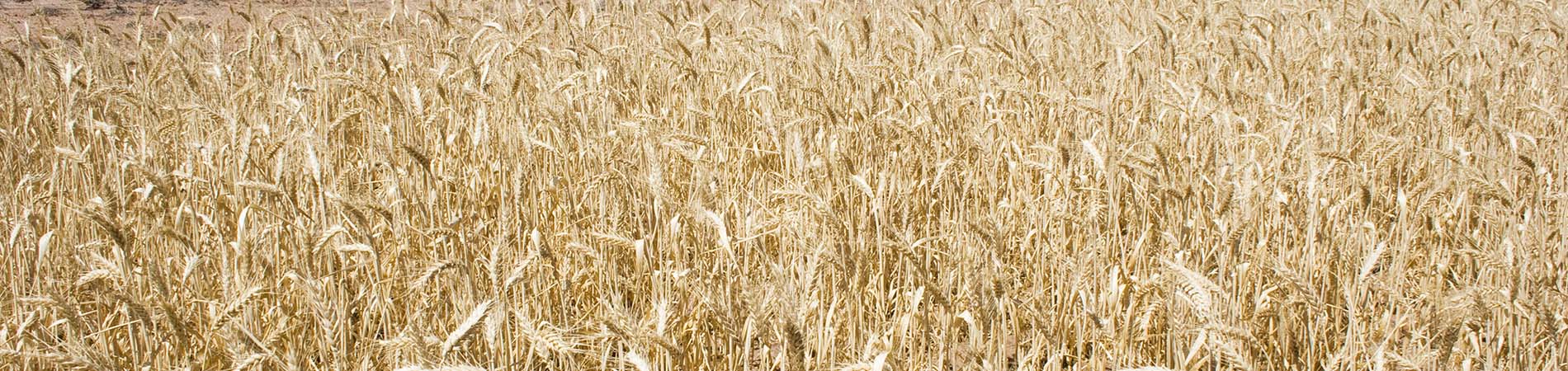
Medicago sativa seed
Country
Sudan (SD)
Group
Grains / Seeds
End use
Sowing
NPPO Details
Plant Protection Directorate, Ministry of Agriculture and Forestry
| Criteria | Criteria Required? |
|---|---|
| Import Permit | Yes |
| Phytosanitary Certificate | Yes |
| Additional Declaration/Endorsement | Yes |
| Protocol Market | No |
It is exporters responsibility that consignments are to be accompanied with the Certificate of Origin when specified on the import permit.
The following species are not known to occur in Australia and no evidence is required to endorse freedom from these pests:
- Bean broomrape (Orobanche crenata);
- Pea early-browning virus (PEBV);
- Peanut stunt virus (PSV);
- Sweet clover necrotic mosaic virus (SCNMV).
- Cylindrocladium root & crown rot (Calonectria crotalariae);
- Lepto Leaf spot (Leptosphaerulina trifolii);
- Yellow leaf blotch (Leptotrochila medicaginis);
- Downy mildew (Peronospora trifoliorum);
- Crown wart (Physoderma alfalflae);
- Rust (Uromyces striatus);
- Common leaf spot (Pseudopeziza medicaginis);
- Corky root rot (Xylaria sp.);
- Bean leaf roll virus (BLRV);
- Bean yellow mosaic virus (BYMV);
- Lucerne transient streak virus (LTSV);
- Tobacco streak virus (TSV);
- White clover mosaic virus (WCMV);
- All the pests and diseases listed under dot point 1 of EXDOC Endorsement 891;
- Root and crown rot (Massrina walker).
Due to the limited literature available for Lucerne Australian latent virus (LALV), a laboratory analysis certificate which endorses freedom from all nepoviruses is sufficient for endorsing freedom from Lucerne Australian latent virus (LALV).
Crop inspection report or laboratory analysis certificate has to be cited when endorsing freedom from Lucerne Australian symptomless virus (LASV) - LAB TESTING ONLY and Alfalfa enation virus (AEV).
Crop inspection report or laboratory analysis certificate has to be cited when endorsing freedom from Lucerne Australian symptomless virus (LASV) - LAB TESTING ONLY and Alfalfa enation virus (AEV).
Crop inspection report, laboratory analysis certificate or area of freedom certificate has to be cited when endorsing freedom from Alfalfa mosaic virus (AMV), Bacterial canker (Pseudomonas syringae pv. Syringae), Bacterial wilt (Clavibacter michiganensis and Clavibacter michiganensis subsp. insidiosus), Bacterial leaf blight of tomato (Pseudomonas viridiflava), Bacterial leaf spot (Xanthomonas campestris), Bacterial leaf spot of alfalfa (Xanthomonas campestris pv alfalfa), Bacterial soft rot (Erwini chrysanthemi), Colletotrichum trifolii, Dodder (Cuscuta spp), Alfalfa dodder (Cuscuta epithymum), Erwinia persicina, Lucerne black stem (Phoma medicaginis), Rot of clover (Slcerotinia trifoliorum), Ralstonia solanacearum, Verticillium wilt (Verticillium albo-atrum and Verticilllium dahlia) and Stem nematode (Ditylenchus dipsaci).
A visual inspection of a representative sample may be used by the Authorised Officer to endorse freedom from Salsola tragus, Amaranthus ssp and Clover Dodder (Cuscata epithymum).
Sclerotina trifolii was listed on a Sudanese import permit and is synonym of Slcerotinia trifoliorum, which is commonly known as Rot of clover.
Dickeya dadantii was listed on a Sudanese import permit and is synonym of Erwini chrysanthemi, which is commonly known as Bacterial soft rot.
Sweet clover necrotic was listed on a Sudanese import permit and is synonym of Sweet clover necrotic mosaic virus.
Consignments are to be treated with appropriate fungicide at manufacture's recommended label rates (when specified on the import permit).
Option 1 (EXDOC Endorsement 1182)
1) The crop was inspected during active growth and found free from Dodder (Cuscuta spp), Bacterial wilt (Clavibacter michiganensis), Stem nematode (Ditylenchus dipsaci), Bacterial leaf spot (Xanthomonas campestris) and Lucerne black stem (Phoma medicaginis).
Option 2 (EXDOC Endorsement 4971)
1) A representative sample was found free through laboratory testing of Dodder (Cuscuta spp), Bacterial wilt (Clavibacter michiganensis), Stem nematode (Ditylenchus dipsaci), Bacterial leaf spot (Xanthomonas campestris) and Lucerne black stem (Phoma medicaginis).
Option 3 (EXDOC Endorsement 919)
1) The seed in this consignment has been inspected/or tested according to official procedures and are considered to be free from Dodder (Cuscuta spp), Bacterial wilt (Clavibacter michiganensis), Stem nematode (Ditylenchus dipsaci) and Lucerne black stem (Phoma medicaginis).
2) Bacterial leaf spot (Xanthomonas campestris) is not known to occur in the area of production.
Option 4 (EXDOC Endorsement 1342)
1) The seed in this consignment has been inspected/or tested according to official procedures and are considered to be free from Bacterial wilt (Clavibacter michiganensis), Stem nematode (Ditylenchus dipsaci) and Lucerne black stem (Phoma medicaginis).
2) Bacterial leaf spot of alfalfa (Xanthomonas campestris pv alfalfa) is not known to occur in the area of production.
Option 5 (EXDOC Endorsement 2947)
1) A representativesample was found free through laboratory testing of Bacterial wilt (Clavibactermichiganensis), Stem nematode (Ditylenchus dipsaci), Bacterial leaf spot (Xanthomonascampestris) and Lucerne black stem (Phoma medicaginis).
2) Bacterial leaf spot (Xanthomonas campestris) is not known to occur in the area of production.
Option 6 (EXDOC Endorsement 891)
1) Winter Crown Rot (Coprinus psychromorbidus), Violet Root rot (Helicobasidium brebissonii), Marasmius root rot (Marasmius sp.), Mycoleptodiscus crown & root rot (Mycoleptodiscus terrestris), Cylindrocarpon root rot (Nectria ramulariae), Cotton root rot & Texas root rot (Phymatotrichopsis omnivore; Phymatotrichum omnivorum), Rust (Uromyces medicaginis; Uromyces oblongus), Root rot (Plenodomus meliloti), Dwarf (Xylella fastidiosa), Pea streak virus (PSV), Aster yellows (Aster yellows phytoplasma) and Red clover vein mosaic virus (RCVMV) are not known to occur in Australia,
2) The seed in this consignment has been inspected/or tested according to official procedures and are considered to be free from Cylindrocladium root & crown rot (Calonectria crotalariae), Lepto Leaf spot (Leptosphaerulina trifolii), Yellow leaf blotch (Leptotrochila medicaginis), Downy mildew (Peronospora trifoliorum), Crown wart (Physoderma alfalflae), Rust (Uromyces striatus), Common leaf spot (Pseudopeziza medicaginis), Corky root rot (Xylaria sp.), Bacteria wilt (Clavibacter michiganensis subsp. insidiosus), Root & crown rot(Massrina walker), Alfalfa enation virus (AEV), Bean leaf roll virus (BLRV), Bean yellow mosaic virus (BYMV), Lucerne Australian latent virus (LALV), Lucerne Australian symptomless virus (LASV), Lucerne transient streak virus (LTSV), Tobacco streak virus (TSV) and White clover mosaic virus (WCMV).
Option 7 (EXDOCEndorsement 5531)
1) The seed in this consignment has been inspected/or tested according toofficial procedures and are considered to be free from Bacterial wilt(Clavibacter michiganensis), Stem nematode (Ditylenchus dipsaci), Bacterialleaf spot (Xanthomonas campestris and Xanthomonas campestris pv alfalfa) andLucerne black stem (Phoma medicaginis).
Option 8 (EXDOC Endorsement 5811)
1) The seed in this consignment has been inspected/or tested according to official procedures and are considered to be free from Bacterial wilt (Clavibacter michiganensis), Stem nematode (Ditylenchus dipsaci), Bacterial leaf spot (Xanthomonas campestris) and Lucerne black stem (Phoma medicaginis).
Option 9 (EXDOC Endorsement 5812)
1) Bean broomrape (Orobanche crenata) is known not to occur in Australia,
2) The seed in this consignment has been inspected/or tested according to official procedures and are considered to be free from Bacterial wilt (Clavibacter michiganensis), Stem nematode (Ditylenchus dipsaci), Bacterial leaf spot (Xanthomonas campestris), Lucerne black stem (Phoma medicaginis) and Alfalfa dodder (Cuscuta epithymum).
1) The crop was inspected during active growth and found free from Dodder (Cuscuta spp), Bacterial wilt (Clavibacter michiganensis), Stem nematode (Ditylenchus dipsaci), Bacterial leaf spot (Xanthomonas campestris) and Lucerne black stem (Phoma medicaginis).
Option 2 (EXDOC Endorsement 4971)
1) A representative sample was found free through laboratory testing of Dodder (Cuscuta spp), Bacterial wilt (Clavibacter michiganensis), Stem nematode (Ditylenchus dipsaci), Bacterial leaf spot (Xanthomonas campestris) and Lucerne black stem (Phoma medicaginis).
Option 3 (EXDOC Endorsement 919)
1) The seed in this consignment has been inspected/or tested according to official procedures and are considered to be free from Dodder (Cuscuta spp), Bacterial wilt (Clavibacter michiganensis), Stem nematode (Ditylenchus dipsaci) and Lucerne black stem (Phoma medicaginis).
2) Bacterial leaf spot (Xanthomonas campestris) is not known to occur in the area of production.
Option 4 (EXDOC Endorsement 1342)
1) The seed in this consignment has been inspected/or tested according to official procedures and are considered to be free from Bacterial wilt (Clavibacter michiganensis), Stem nematode (Ditylenchus dipsaci) and Lucerne black stem (Phoma medicaginis).
2) Bacterial leaf spot of alfalfa (Xanthomonas campestris pv alfalfa) is not known to occur in the area of production.
Option 5 (EXDOC Endorsement 2947)
1) A representativesample was found free through laboratory testing of Bacterial wilt (Clavibactermichiganensis), Stem nematode (Ditylenchus dipsaci), Bacterial leaf spot (Xanthomonascampestris) and Lucerne black stem (Phoma medicaginis).
2) Bacterial leaf spot (Xanthomonas campestris) is not known to occur in the area of production.
Option 6 (EXDOC Endorsement 891)
1) Winter Crown Rot (Coprinus psychromorbidus), Violet Root rot (Helicobasidium brebissonii), Marasmius root rot (Marasmius sp.), Mycoleptodiscus crown & root rot (Mycoleptodiscus terrestris), Cylindrocarpon root rot (Nectria ramulariae), Cotton root rot & Texas root rot (Phymatotrichopsis omnivore; Phymatotrichum omnivorum), Rust (Uromyces medicaginis; Uromyces oblongus), Root rot (Plenodomus meliloti), Dwarf (Xylella fastidiosa), Pea streak virus (PSV), Aster yellows (Aster yellows phytoplasma) and Red clover vein mosaic virus (RCVMV) are not known to occur in Australia,
2) The seed in this consignment has been inspected/or tested according to official procedures and are considered to be free from Cylindrocladium root & crown rot (Calonectria crotalariae), Lepto Leaf spot (Leptosphaerulina trifolii), Yellow leaf blotch (Leptotrochila medicaginis), Downy mildew (Peronospora trifoliorum), Crown wart (Physoderma alfalflae), Rust (Uromyces striatus), Common leaf spot (Pseudopeziza medicaginis), Corky root rot (Xylaria sp.), Bacteria wilt (Clavibacter michiganensis subsp. insidiosus), Root & crown rot(Massrina walker), Alfalfa enation virus (AEV), Bean leaf roll virus (BLRV), Bean yellow mosaic virus (BYMV), Lucerne Australian latent virus (LALV), Lucerne Australian symptomless virus (LASV), Lucerne transient streak virus (LTSV), Tobacco streak virus (TSV) and White clover mosaic virus (WCMV).
Option 7 (EXDOCEndorsement 5531)
1) The seed in this consignment has been inspected/or tested according toofficial procedures and are considered to be free from Bacterial wilt(Clavibacter michiganensis), Stem nematode (Ditylenchus dipsaci), Bacterialleaf spot (Xanthomonas campestris and Xanthomonas campestris pv alfalfa) andLucerne black stem (Phoma medicaginis).
Option 8 (EXDOC Endorsement 5811)
1) The seed in this consignment has been inspected/or tested according to official procedures and are considered to be free from Bacterial wilt (Clavibacter michiganensis), Stem nematode (Ditylenchus dipsaci), Bacterial leaf spot (Xanthomonas campestris) and Lucerne black stem (Phoma medicaginis).
Option 9 (EXDOC Endorsement 5812)
1) Bean broomrape (Orobanche crenata) is known not to occur in Australia,
2) The seed in this consignment has been inspected/or tested according to official procedures and are considered to be free from Bacterial wilt (Clavibacter michiganensis), Stem nematode (Ditylenchus dipsaci), Bacterial leaf spot (Xanthomonas campestris), Lucerne black stem (Phoma medicaginis) and Alfalfa dodder (Cuscuta epithymum).
Option 10 (EXDOC Endorsement 7834)
1) Alfalfa dwarf (Xylella fastidiosa), Bean broomrape (Orobanche crenata), Pea early-browning virus (PEBV), Peanut stunt virus (PSV), Sweet clover necrotic virus and Red clover vein mosaic virus (RCVMV) are known not to occur in Australia,
2) The seed in this consignment has been inspected and/or tested according to official procedures and are considered to be free from Alfalfa mosaic virus (AMV), Alfalfa dodder (Cuscuta epithymum), Amaranthus ssp, Bacterial canker (Pseudomonas syringae pv. syringae), Bacterial leaf blight of tomato (Pseudomonas viridiflava), Bacterial leaf spot of alfalfa (Xanthomonas campestris pv alfalfae), Bacterial wilt (Clavibacter michiganensis subsp. insidiosus), Colletotrichum trifolii, Erwinia persicina, Lucerne black stem (Phoma medicaginis), Rot of clover (Slcerotina trifolii), Salsola tragus, Stem nematode (Ditylenchus dipsaci), Bacterial soft rot (Dickeya dadantii), Ralstonia solanacearum, and Verticillium wilt (Verticillium albo-atrum and Verticilllium dahlia).
Import permits dated 15 April 2018, 20 May 2019 and 13 June 2019, 14 May 2024 and DSIR New Zealand 19 January 1979.
18/06/2024 - New endorsement 7834 created.
05/06/2024 - Update to general requirements.
06/12/2022 - Update to non-GMO requirements
05/06/2024 - Update to general requirements.
06/12/2022 - Update to non-GMO requirements
Initial Uploaded: 29/07/2014
Reviewed Uploaded: 18/07/2026