
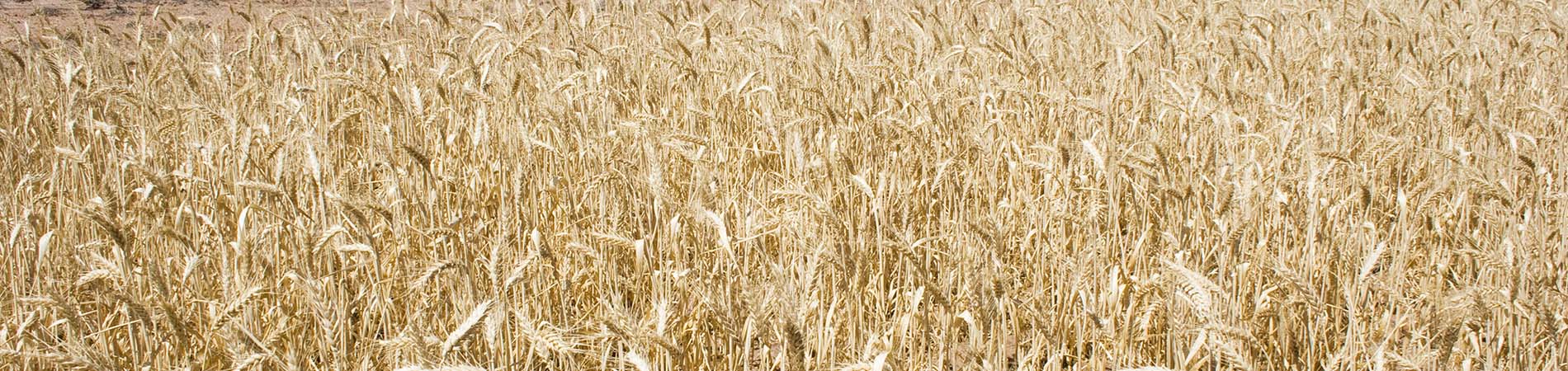
Rolled oats
Country
Singapore (SG)
Scientific Name
Avena spp.
Group
Processed plant products
End use
Consumption
NPPO Details
Plant Science & Health Branch Animal & Plant Health Centre
Relevant Web Addresses
| Criteria | Criteria Required? |
|---|---|
| Import Permit | Refer below |
| Phytosanitary Certificate | Refer below |
| Additional Declaration/Endorsement | Refer below |
| Protocol Market | No |
Note: Consignments to Singapore that are not for re-export are permitted entry without an accompanying phytosanitary certificate or import permit.
Australian consignments being exported that will be re-exported from Singapore
- For any consignment that contains rolled oats intended to be re-exported from Singapore, the exporter is to advise the Authorised Officer at the time of making an appointment for inspection.
- Requests by exporters for phytosanitary certificates containing additional endorsements for rolled oats being exported to Singapore may be complied with where it is known that the consignment shall be re-exported to another destination through a re-export phytosanitary certificate.
- Exporters who require additional declarations for re-export purposes are to provide documentation from the NPPO of the final destination country attesting to the endorsements which the department needs to certify on the phytosanitary certificate.
- Exporter is to confirm the importing country requirements of the country where the seeds are to be re-exported and select the appropriate EXDOC Endorsement option.
Explanation of the endorsements
Endorsement 6655:
- For rolled oats produced in Queensland or any other areas where Ragweed parthenium (Parthenium hysterophorus) is known to occur.
- A laboratory analysis certificate is required to endorse freedom from South American Leaf Blight (Microcyclus ulei) and Ragweed parthenium (Parthenium hysterophorus).
Endorsement 6656:
- For rolled oats produced outside Queensland or any other areas where Ragweed parthenium (Parthenium hysterophorus) is not known to occur.
- An area freedom certificate is required to endorse freedom from Ragweed parthenium (Parthenium hysterophorus).
- A laboratory analysis certificate is required to endorse freedom from South American Leaf Blight (Microcyclus ulei).
Consignments to Singapore that are not for re-export are permitted entry without treatment.
For consignments to Singapore to be re-exported on to Malaysia
Consignments are to be treated with an approved fumigant prior to export:
- Fumigation with methyl bromide at 32 grm/m3 for 24 hours at 21 degree Celsius or above at normal atmospheric pressure;
OR
- Fumigation with phosphine at 2 grm/m3 for 120 hours.
Option 1 (EXDOC Endorsement 6655)
1) A representative sample was found free through laboratory testing of South American Leaf Blight (Microcyclus ulei) and Ragweed parthenium (Parthenium hysterophorus).
Option 2 (EXDOC Endorsement 6656)
1) A representative sample was found free through laboratory testing of South American Leaf Blight (Microcyclus ulei),
2) Ragweed parthenium (Parthenium hysterophorus) is known not to occur in the area of production.
Import permit dated 26 February 2021.
09/03/2021 - Created case based on Malaysia (re-export destination) NPPO requirements.
Initial Uploaded: 09/03/2021
Reviewed Uploaded: 18/07/2026