
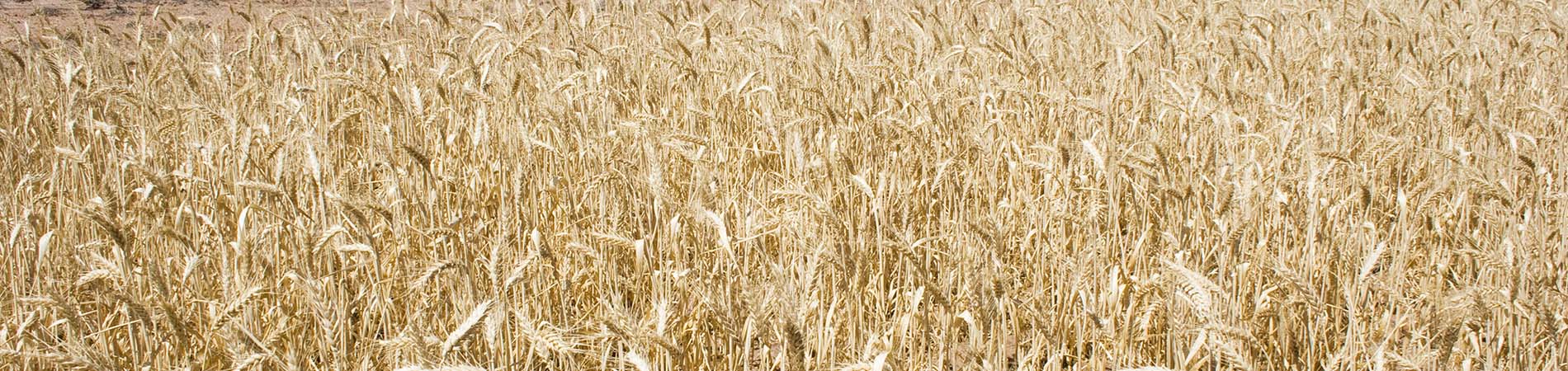
Oats
Country
Pakistan (PK)
Scientific Name
Avena sativa
End use
Stockfeed
NPPO Details
Ministry of Food Security & Research, Department of Plant Protection
Relevant Web Addresses
| Criteria | Criteria Required? |
|---|---|
| Import Permit | Yes |
| Phytosanitary Certificate | Yes |
| Additional Declaration/Endorsement | Yes |
| Protocol Market | No |
Exporters are to provide an Analysis Certificate from an accredited laboratory stating that the percentage of poisonous seeds is not be greater than 0.4%. If the exporter requires this evidence to be certified it will be certified on a Declaration and Certificate as to Condition (EX188) and not a Phytosanitary certificate.
A copy of the laboratory test report must be provided to the importing NPPO.
A Certificate as to Conditions for Radio activity statement may be issued when specified on the import permit and requested by the exporter.
Consignments are to be fumigated with:
Note:
The exporter is to provide evidence attesting to the treatment and present it to the department at time of authorisation.
- Phosphine at 3grm/m3 at 15 degree Celsius or above for 21 days before export;
OR
- In-transit Phosphine at 3grm/m3 for 21 days;
OR
- Phosphine as per manufacturers label requirements at the port of loading;
OR
- Methyl bromide at 80 grm/m3 for 12 hours at 21 degree Celsius or above.
Note:
- Please refer to the import permit for the correct treatment option.
The exporter is to provide evidence attesting to the treatment and present it to the department at time of authorisation.
Option 1 (EXDOC Endorsement 844)
1) A representative sample was found free through laboratory testing of Halo Blights of Oats (Pseudomonas syringae pv coronafaciens), Stalk rot (Fusarium graminearum), Eye spot (Pseudocercosporella hertichoides), Victoria blight of oats (Cochiobolus victoriae), Fusarium blight (Fusarium culmorum, Fusarium graminearum), Glume rot (Pseudomonas syringae pv. atrofaciens), Root rot (Pythium irregular and Pythium ultimum) and Stem nematode (Ditylenchus dipsaci),
2) A representative sample was inspected and found free from thrips (Limothrips spp.), mites and weed seeds.
Option 2 (EXDOC Endorsement 3213)
1) Karnal bunt (Tilletia Indica) and Senn pest (Eurygaster spp) are not known to occur in Australia,
2) A representative sample was found free through laboratory testing of Bunt (Tilletia walkeri) and Witchweed (Striga spp),
3) A representative sample was inspected and found free from Loose smut (Ustliago avenae), Rye ergot (Claviceps purpurea) and visible signs of fungi.
1) A representative sample was found free through laboratory testing of Halo Blights of Oats (Pseudomonas syringae pv coronafaciens), Stalk rot (Fusarium graminearum), Eye spot (Pseudocercosporella hertichoides), Victoria blight of oats (Cochiobolus victoriae), Fusarium blight (Fusarium culmorum, Fusarium graminearum), Glume rot (Pseudomonas syringae pv. atrofaciens), Root rot (Pythium irregular and Pythium ultimum) and Stem nematode (Ditylenchus dipsaci),
2) A representative sample was inspected and found free from thrips (Limothrips spp.), mites and weed seeds.
Option 2 (EXDOC Endorsement 3213)
1) Karnal bunt (Tilletia Indica) and Senn pest (Eurygaster spp) are not known to occur in Australia,
2) A representative sample was found free through laboratory testing of Bunt (Tilletia walkeri) and Witchweed (Striga spp),
3) A representative sample was inspected and found free from Loose smut (Ustliago avenae), Rye ergot (Claviceps purpurea) and visible signs of fungi.
Import Permit dated 15 February 2017.
10/03/2022 - Updated in-transit phosphine requirements.
08/03/2022 - Update to non-GMO requirements.
31/08/2021 - Added in-transit fumigation details.
08/03/2022 - Update to non-GMO requirements.
31/08/2021 - Added in-transit fumigation details.
Initial Uploaded: 29/07/2014
Reviewed Uploaded: 18/07/2026