
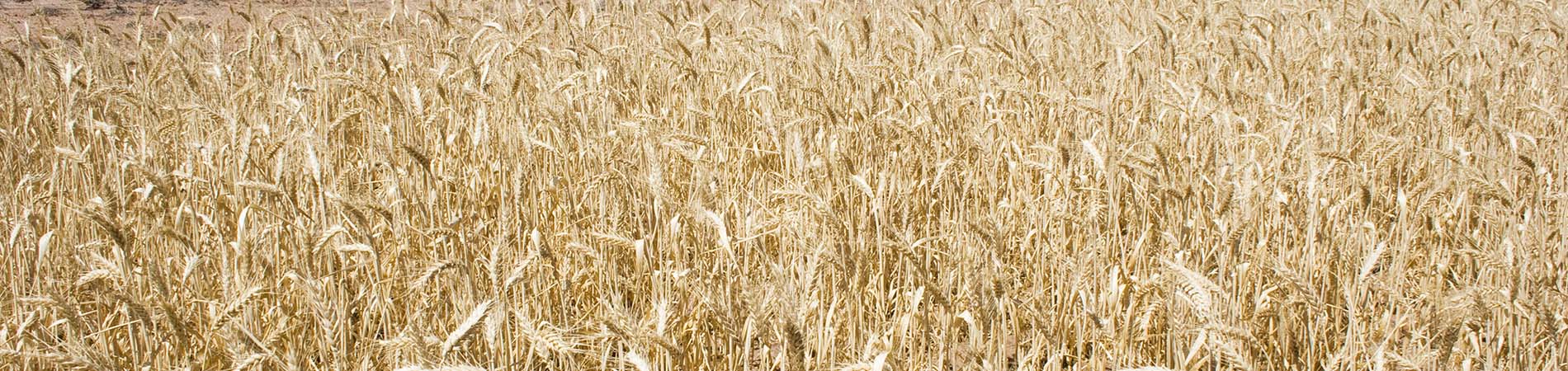
Sorghum bicolor seed
Country
Nigeria (NG)
Scientific Name
Sorghum bicolor
Group
Grains / Seeds
End use
Research
NPPO Details
Nigeria Agriculture Quarantine Service (NAQS), Federal Ministry of Agriculture & Rural Development
Relevant Web Addresses
| Criteria | Criteria Required? |
|---|---|
| Import Permit | Yes |
| Phytosanitary Certificate | Yes |
| Additional Declaration/Endorsement | Yes |
| Protocol Market | No |
Explanation of the endorsements
Endorsements 7954:
- Leaf freckle (Clavibacter michiganensis sspp nebraskensis), Maize dwarf mosaic virus, Philippine downy mildew (Peronosclerospora philippinensis), (Downy mildew of maize) Peronosclerospora spontanea, Stewart's wilt (Pantoea stewartii), Maize downy mildew (Peronosclerospora maydis), European corn borer (Ostrinia nubilalis) and Peanut pod nematode (Ditylenchus africanus) are not known to occur in Australia. No evidence is required to endorse freedom from these pests.
- A laboratory analysis certificate must be provided to endorse freedom from Downy mildew of wheat (Sclerophthora macrospora), Rice false smut (Ustilaginoidea virens), Dry rot of maize (Stenocarpella macrospora), Wheat curl mite (Aceria tosichella), Ergot (Claviceps purpurea), Bacterial leaf blight (Pseudomonas syringae pv. syringae), Grey mould-rot (Botryotinia fuckeliana), Black root rot (Chalara elegans), Ear rot (Gibberella avenacea) Alternaria leaf spot of Sunflowers (Alternaria helianthi), Tobacco streak virus and weed seeds.
Endorsement 7955:
- Leaf freckle (Clavibacter michiganensis sspp nebraskensis), Maize dwarf mosaic virus, Philippine downy mildew (Peronosclerospora philippinensis), (Downy mildew of maize) Peronosclerospora spontanea, Stewart's wilt (Pantoea stewartii), Maize downy mildew (Peronosclerospora maydis), European corn borer (Ostrinia nubilalis) and Peanut pod nematode (Ditylenchus africanus) are not known to occur in Australia. No evidence is required to endorse freedom from these pests.
- A crop inspection certificate certificate must be provided to endorse freedom from Downy mildew of wheat (Sclerophthora macrospora), Rice false smut (Ustilaginoidea virens), Dry rot of maize (Stenocarpella macrospora), Wheat curl mite (Aceria tosichella), Ergot (Claviceps purpurea), Bacterial leaf blight (Pseudomonas syringae pv. syringae), Grey mould-rot (Botryotinia fuckeliana), Black root rot (Chalara elegans), Ear rot (Gibberella avenacea) Alternaria leaf spot of Sunflowers (Alternaria helianthi) and Tobacco streak virus.
- A laboratory analysis certificate must be provided to endorse freedom from weed seeds
Consignments are to be treated with both an appropriate fungicide and chemical fumigant at recommended manufacturers requirements.
Option 1 (EXDOC Endorsement No 7954)
1) Leaf freckle (Clavibacter michiganensis sspp nebraskensis), Maize dwarf mosaic virus, Philippine downy mildew (Peronosclerospora philippinensis), (Downy mildew of maize) Peronosclerospora spontanea, Stewart's wilt (Pantoea stewartii), Maize downy mildew (Peronosclerospora maydis), European corn borer (Ostrinia nubilalis) and Peanut pod nematode (Ditylenchus africanus) are not known to occur in Australia,2) A representative sample was found free through laboratory testing of Downy mildew of wheat (Sclerophthora macrospora), Rice false smut (Ustilaginoidea virens), Dry rot of maize (Stenocarpella macrospora), Wheat curl mite (Aceria tosichella), Ergot (Claviceps purpurea), Bacterial leaf blight (Pseudomonas syringae pv. syringae), Grey mould-rot (Botryotinia fuckeliana), Black root rot (Chalara elegans), Ear rot (Gibberella avenacea) Alternaria leaf spot of Sunflowers (Alternaria helianthi), Tobacco streak virus and weed seeds.
Option 2 (EXDOC Endorsement No 7955)
1) Leaf freckle (Clavibacter michiganensis sspp nebraskensis), Maize dwarf mosaic virus, Philippine downy mildew (Peronosclerospora philippinensis), (Downy mildew of maize) Peronosclerospora spontanea, Stewart's wilt (Pantoea stewartii), Maize downy mildew (Peronosclerospora maydis), European corn borer (Ostrinia nubilalis), Peanut pod nematode (Ditylenchus africanus) are not known to occur in Australia,
3) A representative sample was found free through laboratory testing of weed seeds
Import permit dated 28 October 2024.
13/11/2024 - Created case based on NPPO requirements.
Initial Uploaded: 12/11/2024
Reviewed Uploaded: 18/07/2026