
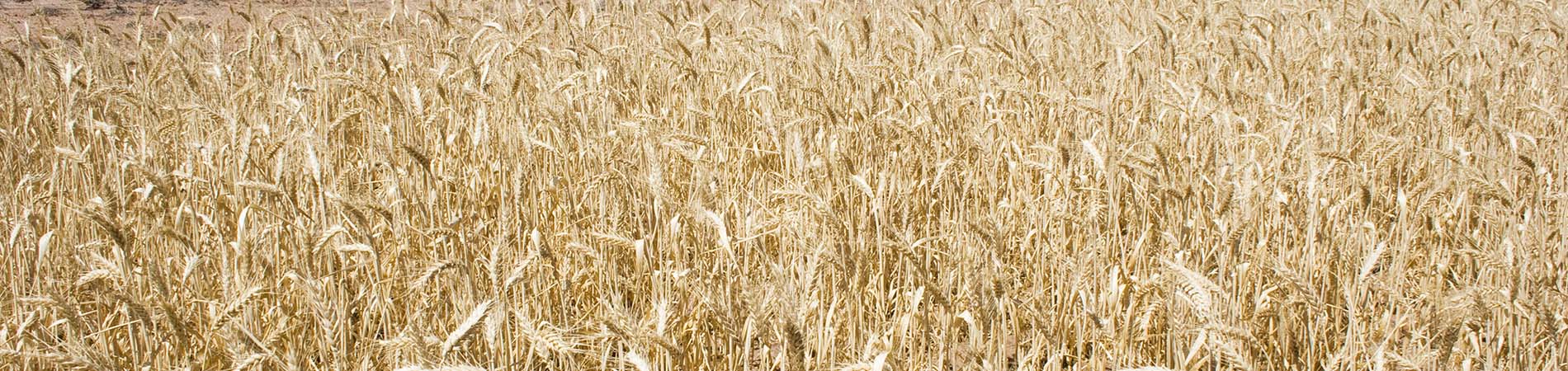
Millet seed
Country
New Zealand (NZ)
Scientific Name
Panicum spp.
Group
Grains / Seeds
End use
Consumption
NPPO Details
Ministry for Primary Industries (MPI)
Relevant Web Addresses
| Criteria | Criteria Required? |
|---|---|
| Import Permit | No |
| Phytosanitary Certificate | Yes |
| Additional Declaration/Endorsement | Yes |
| Protocol Market | No |
The consignment must meet all requirements of IHS Part 1 and Part 2.14, including the requirement to be free of unidentified viable seeds which are:
- not listed in the PBI
- listed as "entry prohibited" in the PBI
- listed in the PBI and present in volumes greater than 0.1% in weight of the consignment
- listed in the Schedule of Regulated (Quarantine) Weed Seeds.
Explanation of the endorsements
Importation of grain/seeds for biosecurity clearance on arrival in New Zealand (applies to endorsments 4930, 4951, 4954, and 4994)
- Applies to viable grain / seed for clearance at the border (IHS section 2.14.4).
- A Sampling Certificate and Seed Analysis Certificate is required otherwise the grain will be analysed upon arrival in New Zealand.
- If requested, Additional Statement 6403 may be endorsed on the phytosanitary certificate to meet the Seed Sampling Certificate requirement.
The exporter must present a Sampler's Certificate, Seed Analysis Certificate or Exporter's Declaration as evidence attesting to the sampling endorsement at the time of authorisation. - The Seed Analysis Certificate must be issued by an Association of Official Seed Analysts (AOSA) or ISTA accredited seed testing station or an Australian laboratory capable of undertaking the analysis.
- Where applicable, the exporter is to provide evidence attesting to the endorsement and present it to the Authorised Officer at the time of inspection.
Endorsements 4951 and 4994:
- All requirements in the above section apply
- A Laboratory Analysis Certificate for the listed pests must be presented at the time of inspection.
- A Sampler's Certificate, Laboratory Analysis Certificate or Exporter's Declaration must be presented as evidence that the samples for pest testing were drawn at a sample size of five times ISTA or AOSA guidelines/methodologies.
- The sample rate required for the pest testing is different to the sample rate required for the seed analysis.
Additional Statement 6403:
- If requested, Additional Statement 6403 may be included on the phytosanitary certificate to meet the Sampling Certificate requirement.
- The exporter must present a Sampler's Certificate, Seed Analysis Certificate or Exporter's Declaration as evidence attesting to the sampling for analysis Additional Statement at the time of authorisation.
Endorsement 1304:
- Applies to non-viable grain that has been devitalised in Australia by heat treatment (IHS section 2.14.1).
- No import permit is required.
- No Additional Statement is required.
- Grains/seeds must be heat treated as per the Treatment section.
If endorsements 1304 is applied, then the consignment must be heat treated at:
- 121 degrees Celsius for 15 minutes
OR
- 100 degrees Celsius for 30 minutes
OR
- 85 degrees Celsius for 15 hours at a minimum 40% relative humidity.
No treatment details are to be endorsed on the Treatment section of the phytosanitary certificate.
Option 1 (EXDOC Endorsement 1304)
1) The grain/seed in this consignment has been heat treated and the consignment contains no viable seeds.
Option 2 (EXDOC Endorsement 4930)
1) Rot (Aspergillus tamarii), Udbatta disease (Balansia oryzae-sativae), Bipolaris urochloae, Pearl millet ergot (Claviceps fusiformis), Sorghum ergot (Claviceps sorghi), Leaf spot: Maize (Cochliobolus pallescens), Graminicola downy mildew (Peronosclerospora graminicola) and Sorghum downy mildew (Peronosclerospora sorghi) are not known to occur in Australia,
2) Sorghum ergot (Claviceps africana), Zonate leaf spot (Gloeocercospora sorghi), Head smut of millet (Ustilago crameri), Fungus (Alternaria saparva), Fungus (Balansia andropogonis), Fungus (Balansia claviceps), Fungus (Balansia epichloe), Fungus (Balansia henningsiana), Fungus (Balansia pallidaa), Fungus (Balansia scleroticaa), Fungus (Balansia strangulans), Leaf blight (Bipolaris panici-miliacei), Ergot (Claviceps maximensis), Leaf blight (Cochliobolus setariae), Melanomma panici-miliacei, Smut (Sorosporium afrum), Smut (Sorosporium cryptum), Smut (Sorosporium formosanum), Smut (Sorosporium harrismithense), Smut (Sorosporium manchuricum), Smut (Sorosporium panici), Smut (Sphacelotheca digitariae), Smut (Sphacelotheca veracruziana), Smut (Sporisorium cenchri), Head smut (Sporisorium destruens), Covered kernel smut (Sporisorium sorghi), Bunt (Tilletia ayresii), Rice smut (Tilletia barclayana), Smut (Tilletia biharica), Smut (Tilletia courtetiana), Smut (Tilletia maclagani), Smut (Tilletia narayanaraoana), Smut (Tilletia tumefaciens), Smut (Tilletia verrucosa), Smut (Ustilago heterogena), White tip nematode (Aphelenchoides besseyi) and Panicum mosaic virus are known not to occur in the area of production,
3) A representative sample was inspected in accordance with appropriate official procedures and found to be free of any live, visually detectable regulated insects.
Option 3 (EXDOC Endorsement 4951)
1) Rot (Aspergillus tamarii), Udbatta disease (Balansia oryzae-sativae), Bipolaris urochloae, Pearl millet ergot (Claviceps fusiformis), Sorghum ergot (Claviceps sorghi), Leaf spot: Maize (Cochliobolus pallescens), Graminicola downy mildew (Peronosclerospora graminicola) and Sorghum downy mildew (Peronosclerospora sorghi) are not known to occur in Australia,
2) The consignment was representatively sampled with a sample size of five times (5x) ISTA or AOSA guidelines/methodologies and tested in an NPPO approved diagnostic laboratory and was found free of from Sorghum ergot (Claviceps africana), Zonate leaf spot (Gloeocercospora sorghi), Head smut of millet (Ustilago crameri), Fungus (Alternaria saparva), Fungus (Balansia andropogonis), Fungus (Balansia claviceps), Fungus (Balansia epichloe), Fungus (Balansia henningsiana), Fungus (Balansia pallidaa), Fungus (Balansia scleroticaa), Fungus (Balansia strangulans), Leaf blight (Bipolaris panici-miliacei), Ergot (Claviceps maximensis), Leaf blight (Cochliobolus setariae), Melanomma panici-miliacei, Smut (Sorosporium afrum), Smut (Sorosporium cryptum), Smut (Sorosporium formosanum), Smut (Sorosporium harrismithense), Smut (Sorosporium manchuricum), Smut (Sorosporium panici), Smut (Sphacelotheca digitariae), Smut (Sphacelotheca veracruziana), Smut (Sporisorium cenchri), Head smut (Sporisorium destruens), Covered kernel smut (Sporisorium sorghi), Bunt (Tilletia ayresii), Rice smut (Tilletia barclayana), Smut (Tilletia biharica), Smut (Tilletia courtetiana), Smut (Tilletia maclagani), Smut (Tilletia narayanaraoana), Smut (Tilletia tumefaciens), Smut (Tilletia verrucosa) and Smut (Ustilago heterogena),
3) White tip nematode (Aphelenchoides besseyi) and Panicum mosaic virus are known not to occur in the area of production,
4) A representative sample was inspected in accordance with appropriate official procedures and found to be free of any live, visually detectable regulated insects.
Option 4 (EXDOC Endorsement 4954)
1) Rot (Aspergillus tamarii), Udbatta disease (Balansia oryzae-sativae), Bipolaris urochloae, Pearl millet ergot (Claviceps fusiformis), Sorghum ergot (Claviceps sorghi), Leaf spot: Maize (Cochliobolus pallescens), Graminicola downy mildew (Peronosclerospora graminicola) and Sorghum downy mildew (Peronosclerospora sorghi) are not known to occur in Australia,
2) Sorghum ergot (Claviceps africana), Zonate leaf spot (Gloeocercospora sorghi), Head smut of millet (Ustilago crameri), Fungus (Alternaria saparva), Fungus (Balansia andropogonis), Fungus (Balansia claviceps), Fungus (Balansia epichloe), Fungus (Balansia henningsiana), Fungus (Balansia pallidaa), Fungus (Balansia scleroticaa), Fungus (Balansia strangulans), Leaf blight (Bipolaris panici-miliacei), Ergot (Claviceps maximensis), Leaf blight (Cochliobolus setariae), Melanomma panici-miliacei, Smut (Sorosporium afrum), Smut (Sorosporium cryptum), Smut (Sorosporium formosanum), Smut (Sorosporium harrismithense), Smut (Sorosporium manchuricum), Smut (Sorosporium panici), Smut (Sphacelotheca digitariae), Smut (Sphacelotheca veracruziana), Smut (Sporisorium cenchri), Head smut (Sporisorium destruens), Covered kernel smut (Sporisorium sorghi), Bunt (Tilletia ayresii), Rice smut (Tilletia barclayana), Smut (Tilletia biharica), Smut (Tilletia courtetiana), Smut (Tilletia maclagani), Smut (Tilletia narayanaraoana), Smut (Tilletia tumefaciens), Smut (Tilletia verrucosa), Smut (Ustilago heterogena) and Panicum mosaic virus are known not to occur in the area of production,
3) Consignment has undergone appropriate pest control activities that are effective against White tip nematode (Aphelenchoides besseyi),
4) A representative sample was inspected in accordance with appropriate official procedures and found to be free of any live, visually detectable regulated insects.
Option 5 (EXDOC Endorsement 4994)
1) Rot (Aspergillus tamarii), Udbatta disease (Balansia oryzae-sativae), Bipolaris urochloae, Pearl millet ergot (Claviceps fusiformis), Sorghum ergot (Claviceps sorghi), Leaf spot: Maize (Cochliobolus pallescens), Graminicola downy mildew (Peronosclerospora graminicola) and Sorghum downy mildew (Peronosclerospora sorghi) are not known to occur in Australia,
2) The consignment was representatively sampled with a sample size of five times (5x) ISTA or AOSA guidelines/methodologies and tested in an NPPO approved diagnostic laboratory and found free of from Sorghum ergot (Claviceps africana), Zonate leaf spot (Gloeocercospora sorghi), Head smut of millet (Ustilago crameri), Fungus (Alternaria saparva), Fungus (Balansia andropogonis), Fungus (Balansia claviceps), Fungus (Balansia epichloe), Fungus (Balansia henningsiana), Fungus (Balansia pallidaa), Fungus (Balansia scleroticaa), Fungus (Balansia strangulans), Leaf blight (Bipolaris panici-miliacei), Ergot (Claviceps maximensis), Leaf blight (Cochliobolus setariae), Melanomma panici-miliacei, Smut (Sorosporium afrum), Smut (Sorosporium cryptum), Smut (Sorosporium formosanum), Smut (Sorosporium harrismithense), Smut (Sorosporium manchuricum), Smut (Sorosporium panici), Smut (Sphacelotheca digitariae), Smut (Sphacelotheca veracruziana), Smut (Sporisorium cenchri), Head smut (Sporisorium destruens), Covered kernel smut (Sporisorium sorghi), Bunt (Tilletia ayresii), Rice smut (Tilletia barclayana), Smut (Tilletia biharica), Smut (Tilletia courtetiana), Smut (Tilletia maclagani), Smut (Tilletia narayanaraoana), Smut (Tilletia tumefaciens), Smut (Tilletia verrucosa) and Smut (Ustilago heterogena),
3) Consignment has undergone appropriate pest control activities that are effective against White tip nematode (Aphelenchoides besseyi),
4) Panicum mosaic virus is not known to occur in the area of production,
5) A representative sample was inspected in accordance with appropriate official procedures and found to be free of any live, visually detectable regulated insects.
Additional Statement
Option 1 (Additional Statement 6403)
Declaration for seed sampling
1) A primary sample was officially drawn during the loading of the consignment, at a rate of at least one primary sample per 100 tonnes of grain.
2) All submitted samples were prepared and dispatched in accordance with ISTA rules.
Import Health Standard (IHS) dated 21 January 2021.
23/04/2025 - Updated treatment details.
02/03/2021 - Updates to General Requirements - reference to IHS added.
02/03/2021 - Updates to General Requirements - reference to IHS added.
Initial Uploaded: 29/07/2014
Reviewed Uploaded: 18/07/2026