
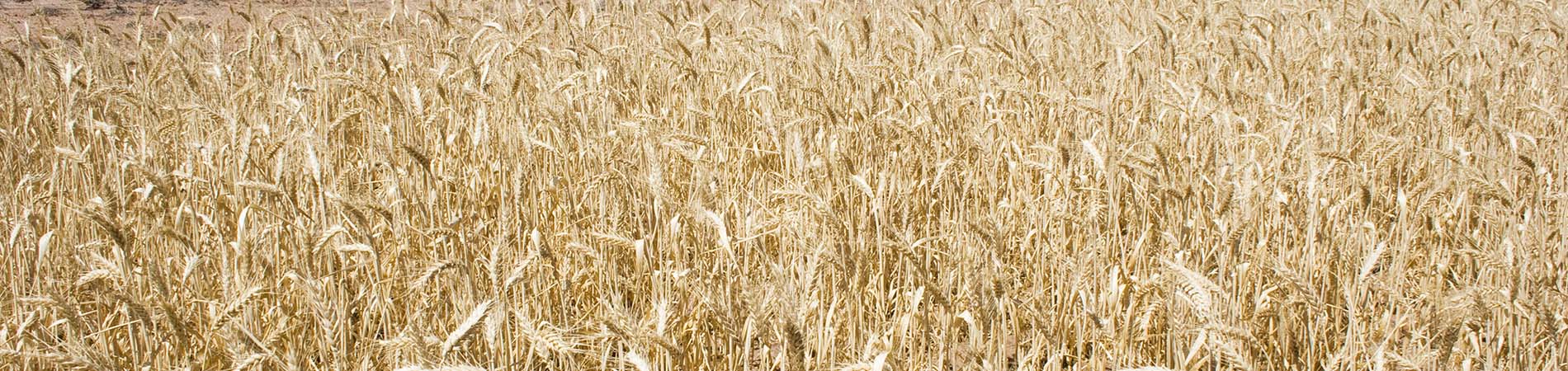
Hordeum spp seed
Country
New Zealand (NZ)
Group
Grains / Seeds
End use
Sowing
NPPO Details
Ministry for Primary Industries (MPI)
Relevant Web Addresses
| Criteria | Criteria Required? |
|---|---|
| Import Permit | No |
| Phytosanitary Certificate | Yes |
| Additional Declaration/Endorsement | Yes |
| Protocol Market | No |
The ICR only applies to the following species:
- Hordeum brevisubulatum
- Hordeum bulbosum
- Hordeum distichon
- Hordeum glaucum
- Hordeum hystrix
- Hordeum jubatum
- Hordeum marinum
- Hordeum murinum
- Hordeum parodii
- Hordeum secalinum
- Hordeum vulgare
The Hordeum species must be stated on the phytosanitary certificate.
The consignment must be free from New Zealand's regulated pests specified in the Pest List for Hordeum in the Import Health Standard. Visual inspection of a representative sample by the Authorised Officer is required for ensuring freedom from these regulated pests.
The consignment must be free from New Zealand's regulated pests specified in the Pest List for Hordeum in the Import Health Standard. Visual inspection of a representative sample by the Authorised Officer is required for ensuring freedom from these regulated pests.
If EXDOC Endorsement 5878 or 5879 is selected, the consignment must be treated with one of the following treatment options:
- Carboxin at 0.8 grm a.i. per kg of seed and Thiram at 0.8 grm a.i. per kg of seed.
OR
- Carboxin at 0.8 grm a.i. per kg of seed and Imazalil at 0.05 grm a.i. per kg of seed.
OR
- Flutriafol at 0.05 grm a.i. per kg of seed and Imazalil at 0.05 grm a.i. per kg of seed.
OR
- Triadimenol at 0.375 grm a.i. per kg of seed and Fuberidazole at 0.15 grm a.i. per kg of seed.
OR
- Triadimenol at 0.23 grm a.i. per kg of seed, Imazalil 0.075 grm per kg of seed and Fuberidazole 0.15 grm a.i. per kg of seed;
OR
- Tebuconazole at 0.025 grm a.i. per kg of seed and Imazalil at 0.05 grm a.i. per kg of seed.
Option 1 (EXDOC Endorsement 5877)
1) Cephalosporium stripe of cereals (Cephalosporium gramineum) and Dwarf bunt (Tilletia controversa) are not known to occur in Australia.
2) The consignment has been sourced from a pest free area free from Bacterial stripe blight (Pseudomonas syringae pv. striafaciens), Yellow ear rot (Rathayibacter tritici), Leaf streak (Xanthomonas campestris pv. undulosa) and High plains virus and Fusarium head blight (Fusarium longipes).
Option 2 (EXDOC Endorsement 5878)
1) Cephalosporium stripe of cereals (Cephalosporium gramineum) and Dwarf bunt (Tilletia controversa) are not known to occur in Australia.
2) The consignment has been sourced from a pest free area free from Bacterial stripe blight (Pseudomonas syringae pv. striafaciens), Yellow ear rot (Rathayibacter tritici), Leaf streak (Xanthomonas campestris pv. undulosa) and High plains virus.
3) The consignment has been treated with one of the fungicide combinations in MPI approved treatments.
1) Cephalosporium stripe of cereals (Cephalosporium gramineum) and Dwarf bunt (Tilletia controversa) are not known to occur in Australia.
2) The consignment has been sourced from a pest free area free from Bacterial stripe blight (Pseudomonas syringae pv. striafaciens), Yellow ear rot (Rathayibacter tritici), Leaf streak (Xanthomonas campestris pv. undulosa) and High plains virus and Fusarium head blight (Fusarium longipes).
Option 2 (EXDOC Endorsement 5878)
1) Cephalosporium stripe of cereals (Cephalosporium gramineum) and Dwarf bunt (Tilletia controversa) are not known to occur in Australia.
2) The consignment has been sourced from a pest free area free from Bacterial stripe blight (Pseudomonas syringae pv. striafaciens), Yellow ear rot (Rathayibacter tritici), Leaf streak (Xanthomonas campestris pv. undulosa) and High plains virus.
3) The consignment has been treated with one of the fungicide combinations in MPI approved treatments.
Option 3 (EXDOC Endorsement 5879)
1) Cephalosporium stripe of cereals (Cephalosporium gramineum) and Dwarf bunt (Tilletia controversa) are not known to occur in Australia.
2) The consignment has been sourced from a pest free place of production free from Bacterial stripe blight (Pseudomonas syringae pv. striafaciens), Yellow ear rot (Rathayibacter tritici), Leaf streak (Xanthomonas campestris pv. undulosa) and High plains virus.
3) The consignment has been treated with one of the fungicide combinations in MPI approved treatments.
1) Cephalosporium stripe of cereals (Cephalosporium gramineum) and Dwarf bunt (Tilletia controversa) are not known to occur in Australia.
2) The consignment has been sourced from a pest free place of production free from Bacterial stripe blight (Pseudomonas syringae pv. striafaciens), Yellow ear rot (Rathayibacter tritici), Leaf streak (Xanthomonas campestris pv. undulosa) and High plains virus.
3) The consignment has been treated with one of the fungicide combinations in MPI approved treatments.
NZ MPI Import Health Standard: Seeds for Sowing dated 4 September 2019 and Treatment Requirement: Approved Biosecurity Treatments dated 22 July 2019.
Initial Uploaded: 29/07/2014
Reviewed Uploaded: 21/07/2026