
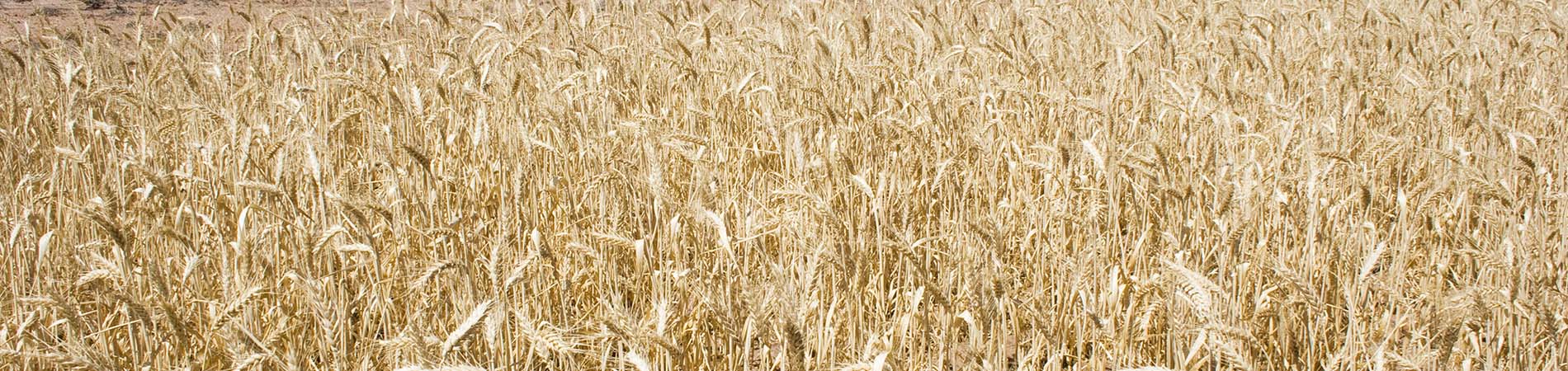
Chickpeas
Country
New Zealand (NZ)
Scientific Name
Cicer arietinum
Group
Grains / Seeds
End use
Consumption
NPPO Details
Ministry for Primary Industries (MPI)
Relevant Web Addresses
| Criteria | Criteria Required? |
|---|---|
| Import Permit | No |
| Phytosanitary Certificate | Yes |
| Additional Declaration/Endorsement | Refer below |
| Protocol Market | No |
Consignments are to be free from pests, soil, weed seeds and extraneous material.
Where applicable, the exporter is to provide evidence attesting to the endorsement and present it to the Authorised Officer at the time of inspection.
Where applicable, the exporter is to provide evidence attesting to the endorsement and present it to the Authorised Officer at the time of inspection.
The consignment must meet all requirements of IHS Part 1 and Part 2.6, including the requirement to be free of unidentified viable seeds which are:
- not listed in the PBI
- listed as "entry prohibited" in the PBI
- listed in the PBI and present in volumes greater than 0.1% in weight of the consignment
- listed in the Schedule of Regulated (Quarantine) Weed Seeds.
Chickpea devitalised in Australia:
- Applies to viable grain / seed for treatment to render them non-viable in Australia.
- Chickpeas must be rendered non-viable prior to arrival in New Zealand, using one of the treatment options listed in Appendix 2 of the IHS.
- Additional Declaration 1304 is required.
- No Additional Statement is required.
Chickpea to be treated in New Zealand:
- Applies to viable grain / seed for treatment to render them non-viable at a transitional facility.
- The importer should, prior to import, ensure that the transitional facility can treat the consignment.
- No Additional Declaration is required.
- No Additional Statement is required.
Chickpea for processing in New Zealand:
- Applies to viable grain / seed for processing to render them non-viable at a transitional facility approved in accordance with the Standard for Transitional Facilities for General Uncleared Risk Goods. The transitional facility must be approved by MPI for holding and/or processing seeds.
- A Sampling Certificate (Additional Statement 6403) and Seed Analysis Certificate is required if the chickpeas are being processed for sprouting, otherwise the grain will be analysed upon arrival in New Zealand.
- The sampling certificate must be issued by the exporting country’s NPPO or a third party authorised by NPPO for sampling the consignment and must clearly identify the consignment.
- The Seed Analysis Certificate must be issued by an Association of Official Seed Analysts (AOSA) or ISTA accredited seed testing station.
- Additional Declaration 7333, 7335 or 2134 is required if the chickpeas are being processed for 'sprouting'.
Importation of grain/seeds for biosecurity clearance on arrival at the New Zealand border:
- A Sampling Certificate (Additional Statement 6403) and Seed Analysis Certificate is required, otherwise the grain will be analysed upon arrival in New Zealand.
- The sampling certificate must be issued by the exporting country’s NPPO or a third party authorised by NPPO for sampling the consignment and must clearly identify the consignment.
- The Seed Analysis Certificate must be issued by an Association of Official Seed Analysts (AOSA) or ISTA accredited seed testing station.
- Additional Declaration 7333, 7335 or 2134 is required if the chickpeas are being processed for ‘consumption’.
Explanation of the endorsements
Endorsement 1304:
Endorsement 1304:
- Applies to non-viable grain that has been devitalised in Australia by heat treatment.
- Grains/seeds must be heat treated as per the Treatment section.
Endorsement 7333:
- Consignments must meet the requirements listed in the section titled Grain/seeds for biosecurity clearance at the New Zealand border.
- The grain/seed must be sourced from an area where Ascochyta blight (Ascochyta rabiei) is known not to occur.
- An area freedom certificate is required as supporting evidence.
- Consignments must meet the requirements listed in the section titled Grain/seeds for biosecurity clearance at the New Zealand border.
- The grain/seed was sourced from a crop that has been inspected during the growing season according to appropriate procedures and no Ascochyta blight (Ascochyta rabiei) was found.
- A crop inspection certitifcate is required as supporting evidence.
Endorsement 2134:
- Consignments must meet the requirements listed in the section titled Grain/seeds for biosecurity clearance at the New Zealand border.
- The grain/seed must be representatively sampled with a sample size of five times (5×) ISTA or AOSA guidelines/methodologies (Refer to Table 1).
- The samples must be tested at a NPPO-approved diagnostic laboratory and the test result was negative for Ascochyta blight (Ascochyta rabiei).
- A Sampling and Laboratory Analysis Certificate is required as supporting evidence for both the sampling methodology and test results.
- The sample rate for Ascochyta blight testing is different to the sample rate for seed analysis.
Additional Statement:
Option 1 (Additional Statement 6403)
Declaration for seed sampling
1) A primary sample was officially drawn during the loading of the consignment, at a rate of:
a) at least one primary sample per 100 tonnes of grain.
OR
b) minimum of 40 primary samples throughout the consignment.
2) The composite sample may be reduced to a 5kg sample that is submitted for analysis.
3) Submitted samples must be labelled, sealed, and dispatched to an Association of Official Seed Analysts (AOSA) or International Seed Testing Association (ISTA) accredited seed testing station to be analysed for seed contaminants (refer to Part 1.5.4 in the Import health Standard).
4) The exporter must present a Sampler’s Certificate, Seed Analysis Certificate or Exporter's Declaration as evidence attesting to the sampling for analysis for this Additional Statement at the time of Request for Permit (RFP) submission.
If endorsements 1304 is applied, then the consignment must be heat treated at:
- 85 degrees Celsius for 15 hours at a minimum 40% relative humidity.
Option 1 (EXDOC Endorsement 1304)
1) The seeds were heat-treated and the consignment contains no viable seeds.
Option 1 (Additional Statement 6403)
1) The seeds were heat-treated and the consignment contains no viable seeds.
Option 2 (EXDOC Endorsement 7333)
1) The seeds were sourced from an area where Ascochyta blight (Ascochyta rabiei) is known not to occur.
Option 3 (EXDOC Endorsement 7335)
1) The seeds were sourced from a crop that has been inspected during the growing season according to appropriate procedures and no Ascochyta blight (Ascochyta rabiei) was found.
Option 4 (EXDOC Endorsement 2134)
1) The seeds were representatively sampled with a sample size of five times (5x) ISTA and in accordance with ISTA or AOSA guidelines/methodologies. The samples were tested at a NPPO-approved diagnostic laboratory and the test result was negative for Ascochyta blight (Ascochyta rabiei).
Additional Statement:
1) The seeds were sourced from an area where Ascochyta blight (Ascochyta rabiei) is known not to occur.
Option 3 (EXDOC Endorsement 7335)
1) The seeds were sourced from a crop that has been inspected during the growing season according to appropriate procedures and no Ascochyta blight (Ascochyta rabiei) was found.
Option 4 (EXDOC Endorsement 2134)
1) The seeds were representatively sampled with a sample size of five times (5x) ISTA and in accordance with ISTA or AOSA guidelines/methodologies. The samples were tested at a NPPO-approved diagnostic laboratory and the test result was negative for Ascochyta blight (Ascochyta rabiei).
Additional Statement:
Option 1 (Additional Statement 6403)
Declaration for seed sampling
1) A primary sample was officially drawn during the loading of the consignment, at a rate of at least one primary sample per 100 tonnes of grain.
2) All submitted samples were prepared and dispatched in accordance with ISTA rules.
OR
1) A primary sample was officially drawn during the loading of the consignment, at a rate of minimum of 40 primary samples throughout the consignment.
2) All submitted samples were prepared and dispatched in accordance with ISTA rules.
Import Health Standard sighted 19 July 2022, notification from NPPO dated 19 July 2022. Import Health Standard verified 26 May 2025.
30/05/2025 - Amended text for endorsement 1304, 2134, and 6403. Explanation of endorsement 6403 text updated. Updated general requirements for ‘Chickpea for processing in NZ’ and ‘Importation of grain/seeds for biosecurity clearance on arrival at NZ border’.
10/01/2023 - New endorsements 7333 and 7335created.
25/07/2022 - Amended case based on revised Import Health Standards.
01/03/2021 - Updates to general requirements - reference to IHS added.
10/01/2023 - New endorsements 7333 and 7335created.
25/07/2022 - Amended case based on revised Import Health Standards.
01/03/2021 - Updates to general requirements - reference to IHS added.
Initial Uploaded: 29/07/2014
Reviewed Uploaded: 30/05/2025