
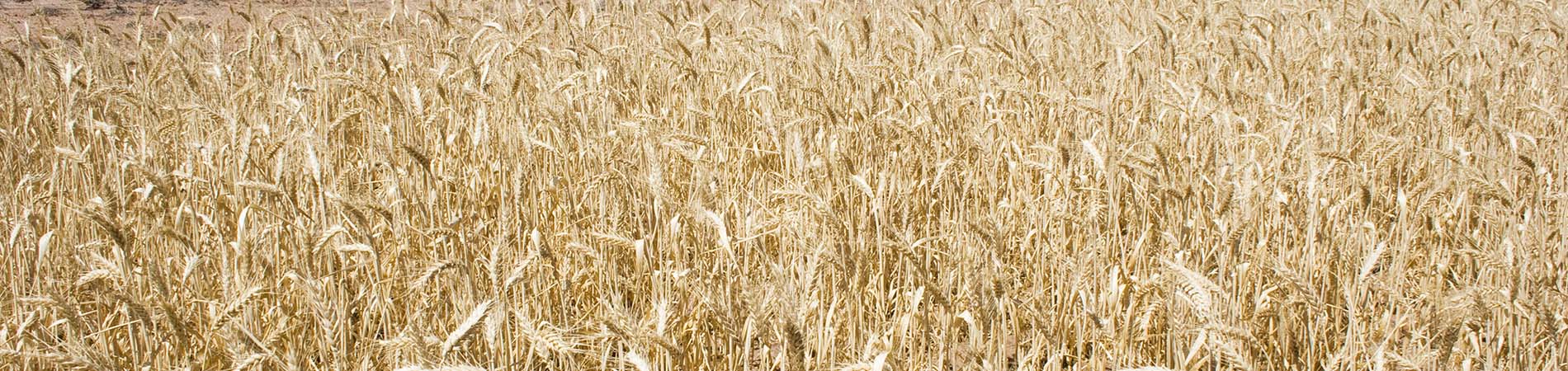
Avena spp seed
Country
New Zealand (NZ)
Group
Grains / Seeds
End use
Sowing
NPPO Details
Ministry for Primary Industries (MPI)
Relevant Web Addresses
| Criteria | Criteria Required? |
|---|---|
| Import Permit | No |
| Phytosanitary Certificate | Yes |
| Additional Declaration/Endorsement | Yes |
| Protocol Market | No |
Any treatment undertaken against Megaselia arietina and Trogoderma spp is to be endorsed on the Phytosanitary Certificate in the treatment section.
MPI's approved treatment for Avena:
- Carboxin at 0.8 grm a.i. per kg of seed and Thiram at 0.8 grm a.i. per kg of seed;
OR
- Flutriafol at 0.05 grm a.i. per kg of seed and Imazalil at 0.05 grm a.i. per kg of seed
OR
- Triadimenol at 0.375 grm a.i. per kg of seed and Fuberidazole at 0.15 grm per kg of seed;
OR
- Triadimenol at 0.23 grm a.i. per kg of seed, Imazalil 0.075 grm per kg of seed and Fuberidazole 0.15 grm a.i. per kg of seed;
OR
- Tebuconazole at 0.025 grm a.i. per kg of seed and Imazalil at 0.05 grm a.i. per kg of seed
MPI may evaluate other treatments and if effective, will approve these treatments and add them to this schedule.
Option 1 (EXDOC Endorsement 574)
Option 2 (EXDOC Endorsement 575)
Option 3 (EXDOC Endorsement 576)
1) Cephalosporium stripe: cereals (Cephalosporium gramineum) is not known to occur in Australia,
2) The seed has been sourced from a pest free area free from Wheat black chaff (Xanthomonas campestris pv. undulosa),
3) The seed has been sourced from a pest free area free from Bunted wheat nematode (Anguina tritici).
Option 2 (EXDOC Endorsement 575)
1) Cephalosporium stripe: cereals (Cephalosporium gramineum) is not known to occur in Australia,
2) The seed has been sourced from a pest free place of production free from Wheat black chaff (Xanthomonas campestris pv. undulosa),
3) The seed has been sourced from a pest free area free from Bunted wheat nematode (Anguina tritici).
1) Cephalosporium stripe: cereals (Cephalosporium gramineum) is not known to occur in Australia,
2) The seed has been officially tested, on a representative sample of a minimum of 3,000 seeds officially drawn according to the ISTA or AOSA sampling methodology, using an NPPO-approved methodology, and found free from Wheat black chaff (Xanthomonas campestris pv. undulosa),
3) The seed has been sourced from a pest free area free from Bunted wheat nematode (Anguina tritici).
Option 4 (EXDOC Endorsement 8436)
1) Cephalosporium stripe: cereals (Cephalosporium gramineum) is not known to occur in Australia,
2) The seed has been sourced from a pest free area free from Wheat black chaff (Xanthomonas campestris pv. undulosa),
3) The seed has been sourced from a pest free place of production free from Bunted wheat nematode (Anguina tritici).
Option 5 (EXDOC Endorsement 8437)
1) Cephalosporium stripe: cereals (Cephalosporium gramineum) is not known to occur in Australia,
2) The seed has been sourced from a pest free area free from Wheat black chaff (Xanthomonas campestris pv. undulosa),
3) The seed has been inspected microscopically in accordance with official procedures and Bunted wheat nematode (Anguina tritici) was not detected.
Option 6 (EXDOC Endorsement 8438)
1) Cephalosporium stripe: cereals (Cephalosporium gramineum) is not known to occur in Australia,
2) The seed has been sourced from a pest free place of production free from Wheat black chaff (Xanthomonas campestris pv. undulosa),
3) The seed has been inspected microscopically in accordance with official procedures and Bunted wheat nematode (Anguina tritici) was not detected.
Option 7 (EXDOC Endorsement 8439)
1) Cephalosporium stripe: cereals (Cephalosporium gramineum) is not known to occur in Australia,
2) The seed has been officially tested, on a representative sample of a minimum of 3,000 seeds officially drawn according to the ISTA or AOSA sampling methodology, using an NPPO-approved methodology, and found free from Wheat black chaff (Xanthomonas campestris pv. undulosa),
3) The seed has been inspected microscopically in accordance with official procedures and Bunted wheat nematode (Anguina tritici) was not detected.
Option 8 (EXDOC Endorsement 8440)
1) Cephalosporium stripe: cereals (Cephalosporium gramineum) is not known to occur in Australia,
2) The seed has been officially tested, on a representative sample of a minimum of 3,000 seeds officially drawn according to the ISTA or AOSA sampling methodology, using an NPPO-approved methodology, and found free from Wheat black chaff (Xanthomonas campestris pv. undulosa),
3) The seed has been sourced from a pest free place of production free from Bunted wheat nematode (Anguina tritici).
Option 9 (EXDOC Endorsement 8441)
1) Cephalosporium stripe: cereals (Cephalosporium gramineum) is not known to occur in Australia,
2) The seed has been sourced from a pest free place of production free from Wheat black chaff (Xanthomonas campestris pv. undulosa),
3) The seed has been sourced from a pest free place of production free from Bunted wheat nematode (Anguina tritici).
NZ MPI Import Health Standard - Seed for sowing verified on 18 June 2026 .
22/06/2026 - Amended text for endorsement 574, 575 and 576. New endorsement 8436. 8437, 8438, 8439, 8440 and 8441 created. Update to treatment requirements.
23/04/2025 - Updated treatment details
23/04/2025 - Updated treatment details
Initial Uploaded: 29/07/2014
Reviewed Uploaded: 18/07/2026