
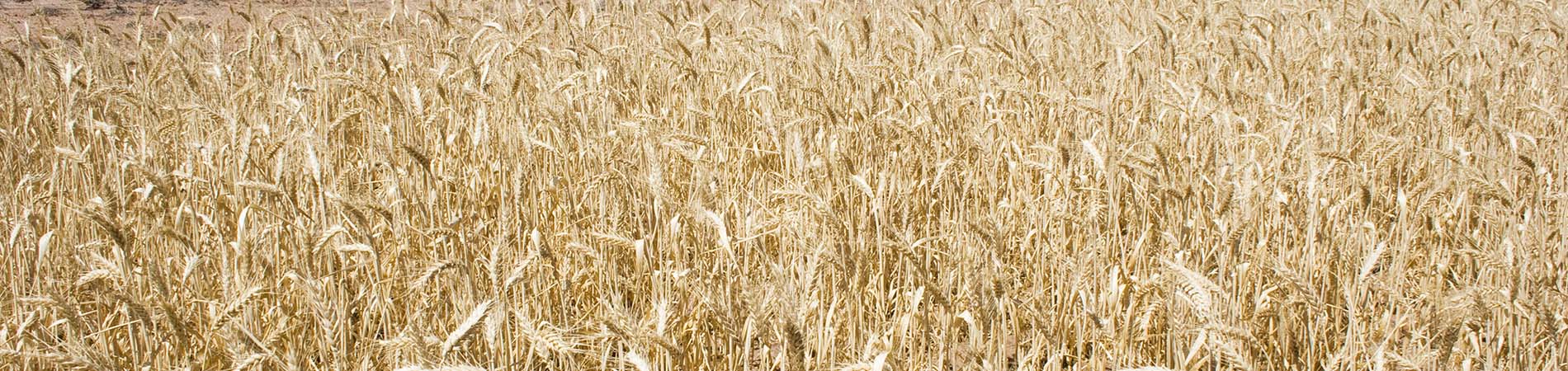
Sorghum
Country
Kenya (KE)
Scientific Name
Sorghum bicolor
Group
Grains / Seeds
End use
Processing
NPPO Details
Ministry of Agriculture & Rural Development, Kenya Plant Health Inspectorate Service (KEPHIS)
Relevant Web Addresses
| Criteria | Criteria Required? |
|---|---|
| Import Permit | Yes |
| Phytosanitary Certificate | Yes |
| Additional Declaration/Endorsement | Yes |
| Protocol Market | No |
If the import permit requires certification in relation to moisture content, the exporter must provide laboratory test results as evidence that moisture content is not above 14%. Certification can be provided on a Certificate as to Condition (GX46) stating that "moisture content is not above 14% through laboratory test results". Moisture content will not be endorsed on the phytosanitary certificate.
Packaging - The following material must not be used as packaging:
Banana leaves, Maize straw, Rice straw, Sorghum straw, Palm straw, Wheat straw and Leaf mould.
If any other plant residue is used as packaging material, the consignment must be accompanied by a certificate stating:
All seed, pathogens and insects have been killed before use of the material either by heating to 82 degrees Celsius for 10 minutes or by chemical treatment. The heat treatment details are to be endorsed on a Phytosanitary Certificate.
Exporter to provide a certifcate attesting to the heat treatment if applied to the packaging material.
Explanation of the endorsements
Endorsement 6438:
- Visual inspection by the AO is sufficient to endorse freedom from Saw-toothed beetle (Oryzaephilus surinamensis) and Indian meal moth (Plodia interpunctella).
- A laboratory analysis certificate is required to endorse freedom from Grain mould of sorghum (Curvularia lunata).
When specified on the import permit, consignments are to be fumigated with an appropriate fumigant at recommended manufacturers requirements before export.
For onshore treatment:
OR
Option 1 (EXDOC Endorsement 6438)
1) A representative sample was inspected and found to be free of saw-toothed beetle (Oryzaephilus surinamensis) and Indian meal moth (Plodia interpunctella),
2) A representative sample was tested and found to be free of Grain mould of sorghum (Curvularia lunata).
1) A representative sample was inspected and found to be free of saw-toothed beetle (Oryzaephilus surinamensis) and Indian meal moth (Plodia interpunctella),
2) A representative sample was tested and found to be free of Grain mould of sorghum (Curvularia lunata).
Import permits dated 7 April 2021 and 19 November 2024.
23/04/2026 - Updated explanation of endorsements text.
23/04/2025 - Updated treatment details.
03/12/2024 - Updated general requirements for moisture content and minor details about heat treatment.
06/04/2023 - Updated general requirements to state moisture content not endorsed on phytosanitary certificate.
10/03/2022 - Updated in-transit phosphine requirements.
17/05/2021 - Updated treatment details.
23/04/2025 - Updated treatment details.
03/12/2024 - Updated general requirements for moisture content and minor details about heat treatment.
06/04/2023 - Updated general requirements to state moisture content not endorsed on phytosanitary certificate.
10/03/2022 - Updated in-transit phosphine requirements.
17/05/2021 - Updated treatment details.
Initial Uploaded: 09/10/2020
Reviewed Uploaded: 18/07/2026