
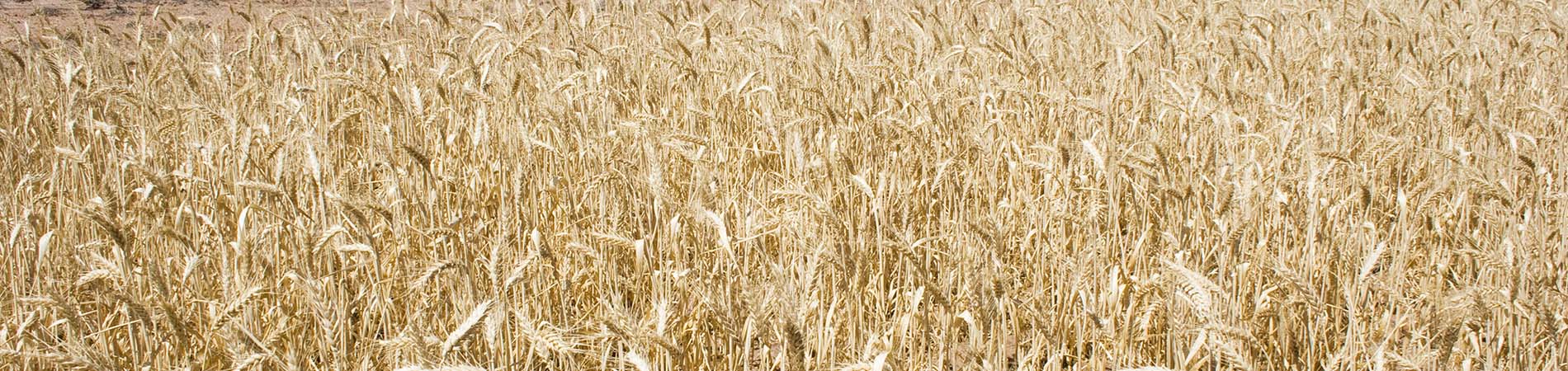
Rice bran
Country
Japan (JP)
Scientific Name
Oryza spp.
Group
Processed plant products
End use
Consumption
NPPO Details
Ministry of Agriculture, Forestry & Fisheries (MAFF)
Relevant Web Addresses
| Criteria | Criteria Required? |
|---|---|
| Import Permit | No |
| Phytosanitary Certificate | Refer below |
| Additional Declaration/Endorsement | No |
| Protocol Market | No |
A phytosanitary certificate is not required unless the end use is for fertiliser, stockfeed or other input in agricultural production.
It is recommended that exporters present detailed information on the manufacturing process (e.g. heat treatment, grinding, etc) to the Japanese NPPO prior to export and confirm the specific import requirements which apply to their product.
Rice bran is not a prescribed good for the purposes of the Export Control Act 2020, therefore consignments which do not require phytosanitary certification may be exported to Japan without an Authorised Officer inspection and the issuance of an export permit.
Note:
- The presence of any rice hulls is prohibited in the bran. If there is any possibility of even a trace amount of rice hulls present in the consignment, the exporter must contact the Ministry of Agriculture, Forestry and Fisheries (MAFF) regarding any potential treatment options to facilitate export.
The exporter is to obtain prior approval from MAFF to apply treatment. If complete freedom from rice hulls cannot be achieved and if authorised by MAFF, the exporter may apply an approved treatment.
If a phytosanitary certificate, and therefore an inspection by an Authorised Officer, is required, and a treatment has been applied:
NPPO advice verified on 22 December 2023.
23/04/2025 - Updated treatment details.
22/12/2023 - Updated general requirements to state a phytosanitary certificate is only required for specific end uses.
22/12/2023 - Updated general requirements to state a phytosanitary certificate is only required for specific end uses.
Initial Uploaded: 13/09/2018
Reviewed Uploaded: 18/07/2026