
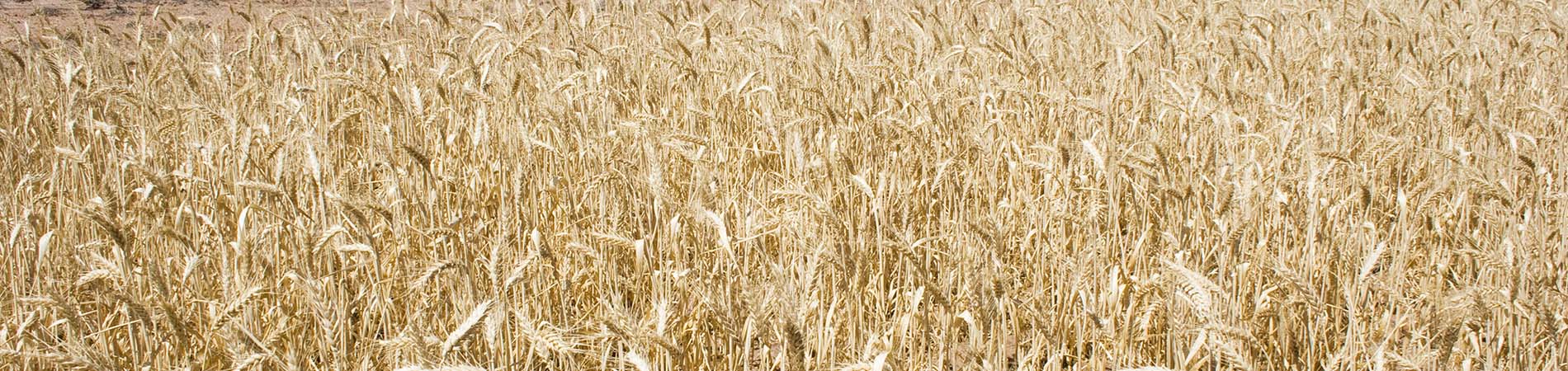
Stylosanthes hamata seed
Country
Indonesia (ID)
Group
Grains / Seeds
End use
Sowing
NPPO Details
Center for Plant Quarantine and Biosafety, Indonesia Agricultural Quarantine Agency
Relevant Web Addresses
| Criteria | Criteria Required? |
|---|---|
| Import Permit | Yes |
| Phytosanitary Certificate | Yes |
| Additional Declaration/Endorsement | Yes |
| Protocol Market | No |
Additional declarations are only endorsed on the phytosanitary certificate when specified on the import permit.
Seeds that are not in bulk must be packed in new, clean packaging that is safe from contamination and damage during transit. The packaging must be labelled with information on the identity of the seeds, the name and address of the producer, the registration number of the place of production from the competent authority in Australia, and the name and address of the recipient.
Explanation of endorsements
Endorsements are only to be used when explicitly stated on the import permit. If no endorsement is required by the import permit, a phytosanitary certificate with no additional declarations is to be issued.
Endorsement 7912:
- Visual inspection by an Authorised Officer is sufficient for endorsing freedom from Couch grass (Agropyron repens), Black-grass (Alopecurus myosuroides), Onion weed (Asphodelus fistulosus), Chinese violet (Asystasia gangetica), California thistle (Cirsium arvense), Columbian waxweed (Cuphea carthagenensis), Spiny emex (Emex australis), Parthenium weed (Parthenium hysterophorus), Praxelis (Praxelis clematidea) and Pigeonberry (Rivina humilis).
- A crop inspection certificate, an area freedom certificate or a laboratory analysis certificate is required to endorse freedom from Charcoal rot of bean/tobacco (Macrophomina phaseolina).
Consignments to be fumigated with:
- Methyl bromide at 48 grm/m3 for 4 hours at 21 degrees celsius;
OR
- Phostoxin at 2-3 grm/m3 at 21 degrees celsius for 72 hours;
OR
- Phosphine treatment as per manufacturer's label rates (when phosphine dosage is not specified on the import permit).
Option 1 (EXDOC Endorsement 819)
1) Rice yellow mottle virus is not known to occur in Australia.
1) Rice yellow mottle virus is not known to occur in Australia.
Option 2 (EXDOC Endorsement 7912)
1) The consignment is free from Couch grass (Agropyron repens), Black-grass (Alopecurus myosuroides), Onion weed (Asphodelus fistulosus), Chinese violet (Asystasia gangetica), California thistle (Cirsium arvense), Columbian waxweed (Cuphea carthagenensis), Spiny emex (Emex australis), Parthenium weed (Parthenium hysterophorus), Praxelis (Praxelis clematidea) and Pigeonberry (Rivina humilis).
1) The consignment is free from Couch grass (Agropyron repens), Black-grass (Alopecurus myosuroides), Onion weed (Asphodelus fistulosus), Chinese violet (Asystasia gangetica), California thistle (Cirsium arvense), Columbian waxweed (Cuphea carthagenensis), Spiny emex (Emex australis), Parthenium weed (Parthenium hysterophorus), Praxelis (Praxelis clematidea) and Pigeonberry (Rivina humilis).
2) Using official procedures, the consignment is found free from Charcoal rot of bean/tobacco (Macrophomina phaseolina).
Import permit dated 8 December 2017 and 2 September 2024, NPPO advice via Agriculture Counsellor dated 4 February 2026.
09/04/2026 - Updated general requirements to include the 21-day requirement.
09/07/2025 - Clarification for phosphine treatment.
03/10/2024 - New endorsement 7912 created and explanation of endorsement added.
09/07/2025 - Clarification for phosphine treatment.
03/10/2024 - New endorsement 7912 created and explanation of endorsement added.
Initial Uploaded: 29/07/2014
Reviewed Uploaded: 18/07/2026