
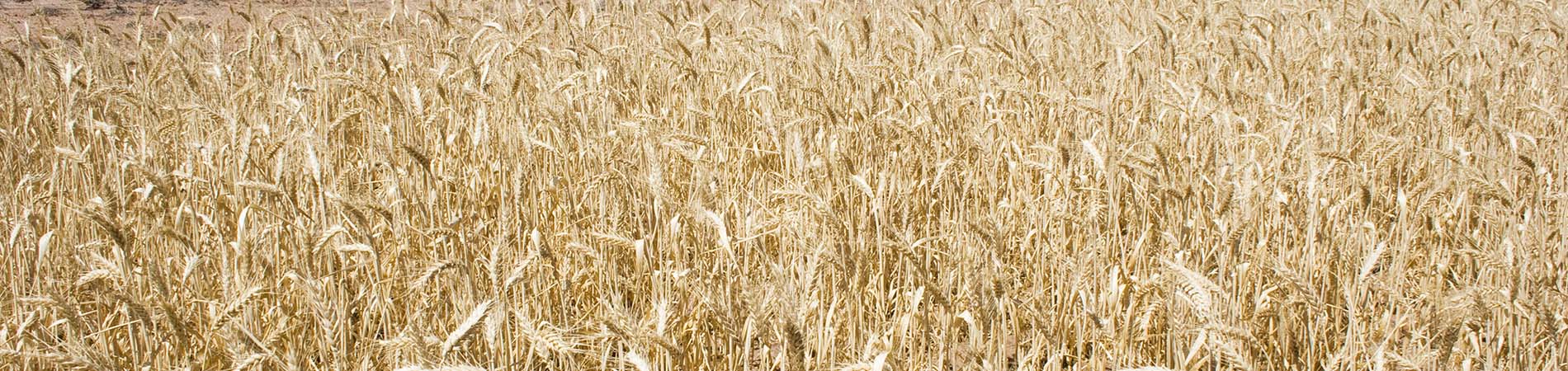
Sorghum bicolor seed
Country
China (CN)
Group
Grains / Seeds
End use
Research
NPPO Details
General Administration of Customs of the People's Republic of China (GACC)
Relevant Web Addresses
| Criteria | Criteria Required? |
|---|---|
| Import Permit | Yes |
| Phytosanitary Certificate | Refer below |
| Additional Declaration/Endorsement | Refer below |
| Protocol Market | No |
The import permit may state there is no requirement for a phytosanitary certificate. In this case the goods may be exported without a phytosanitary certificate. Please refer to import permit conditions.
Sorghum (being whole unmilled seed of Sorghum bicolor) is listed as a prescribed grain in the Export Control (Plants and Plant Products) Rules 2021. As such, even if the import permit states a phytosanitary certificate is not required, for any consignment containing more than 10kg of sorghum, a Request For Permit (RFP) must be raised, the product inspected by an Authorised Officer and an export permit issued, prior to export. Consignments containing less than 10kg of prescribed grain are exempt from this requirement.
Explanation of the endorsements:
Endorsement 7097:
- Endorsements are only required when specifically stated on the import permit.
- Sugarcane gumming disease (Xanthomonas axonopodis pv vasculorum), Maize dwarf mosaic virus and Maize chlorotic mottle virus are known not to occur in Australia. No evidence is required to endorse freedom from these pests.
- A combination of crop inspection and laboratory test analysis is required to endorse freedom from Pineapple eye rot (Cephalosporium sacchari), Milo disease (Periconia circinata), Root rot nematode (Meloidogyne spp.), Stubby-root nematode (Trichodorus spp.), Stubby-root nematode (Paratrichodorus spp.), Downy mildew (Peronosclerospora spp), Bacterial wilt of dahlia (Erwinia chrysanthemi) and Nematodes (Radopholus similis).
- Visual inspection by an Authorised Officer is sufficient to endorse freedom from Johnson grass (Sorghum halepense) and Sorghum midge (Contarinia sorghicola).
Option 1 (EXDOC Endorsement 7097)
1) Sugarcane gumming disease (Xanthomonas axonopodis pv vasculorum), Maize dwarf mosaic virus and Maize chlorotic mottle virus are not known to occur in Australia,
2) The consignment was found free through official testing and inspection procedure of Pineapple eye rot (Cephalosporium sacchari), Milo disease (Periconia circinata), Root rot nematode (Meloidogyne spp.), Stubby-root nematode (Trichodorus spp.), Stubby-root nematode (Paratrichodorus spp.), Downy mildew (Peronosclerospora spp.), Bacterial wilt of dahlia (Erwinia chrysanthemi), Nematodes (Radopholus similis), Johnson grass (Sorghum halepense) and Sorghum midge (Contarinia sorghicola).
Import permits dated 11 February 2022 and 25 April 2025.
06/07/2026 - Amended text for endorsement 7097.
04/06/2025 - Updated general requirements to state consignments may be exported without a phytosanitary certificate if not required by the import permit and noted AO inspection and issuance of an export permit are required for consignments of more than 10kg.
20/04/2022 - Corrected scientific names listed in endorsement 7097.
23/02/2022 - Created Micor case based on NPPO requirements.
04/06/2025 - Updated general requirements to state consignments may be exported without a phytosanitary certificate if not required by the import permit and noted AO inspection and issuance of an export permit are required for consignments of more than 10kg.
20/04/2022 - Corrected scientific names listed in endorsement 7097.
23/02/2022 - Created Micor case based on NPPO requirements.
Initial Uploaded: 23/02/2022
Reviewed Uploaded: 18/07/2026