
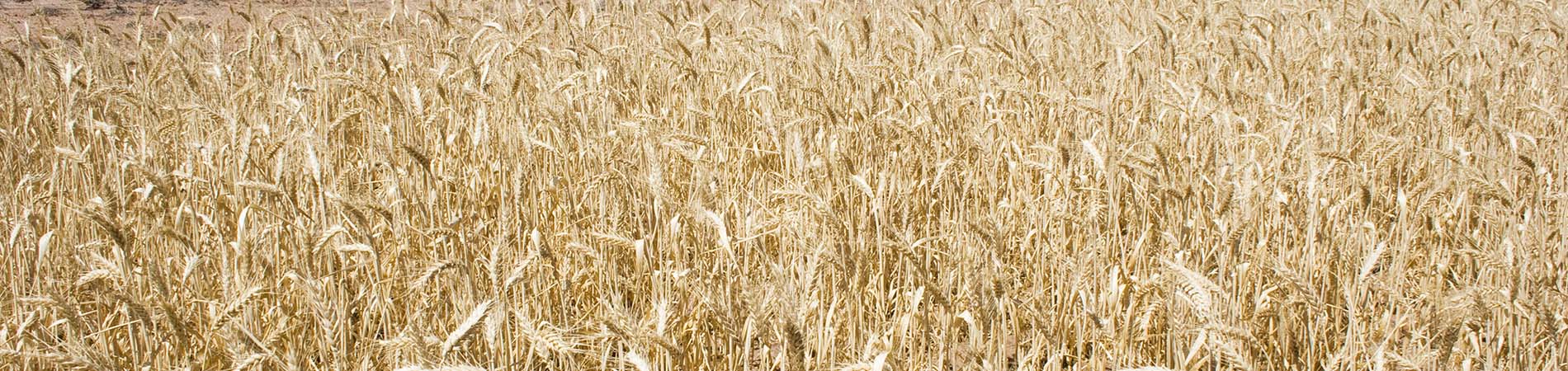
Lolium perenne seed
Country
China (CN)
Group
Grains / Seeds
End use
Sowing
NPPO Details
General Administration of Customs of the People's Republic of China (GACC)
Relevant Web Addresses
| Criteria | Criteria Required? |
|---|---|
| Import Permit | Yes |
| Phytosanitary Certificate | Yes |
| Additional Declaration/Endorsement | Yes |
| Protocol Market | No |
Explanation of the endorsements
Endorsements 625, 1306, 3948, 3046, 6472, 6817, 6823, 6940, 7024, 7167 and 8159:
- These endorsements apply to seed of Australian origin.
- A laboratory analysis report is to be presented for endorsing freedom from Seed-gall nematode (Anguina funesta), Gumming disease of grasses (Rathayibacter rathayi), Stubby-root nematode (Trichodorus spp.), Stubby-root nematode (Paratrichodorus spp.), Root rot nematode (Meloidogyne spp.) and Needle Nematodes (Longidorus spp.).
- Black chaff (Xanthomonas translucens pv. translucens), Crown gall (Agrobacterium tumefaciens), Root rot (Phytophthora cactorum) and Wheat eyespot (Pseudocercosporella herpotrichoides) are not seedborne in Lolium spp and are not on the seed export pathway. Freedom from these pests may be endorsed on the phytosanitary certificate without any supporting evidence.
- Visual inspection of a representative sample by an Authorised Officer is sufficient to endorse freedom from Red imported fire ant (Solenopsis invicta) and Argentine stem weevil (Listronotus bonariensis).
- Bent grass nematode (Anguina agrostis), Rice water weevil (Lissorhoptrus oryzophilus) and Dwarf bunt (Tilletia controversa) are not known to occur in Australia. No evidence is required to endorse freedom from these pests.
- A laboratory test analysis or Crop Inspection report is to be presented for endorsing freedom from Bean bacterial wilt (Curtobacterium flaccumfaciens pv. flaccumfaciens), Stem and bulb nematode (Ditylenchus dipsaci) and Tomato spotted wilt virus (Orthotospovirus tomatomaculae).
- Visual inspection by an Authorised Officer is sufficient to endorse freedom from African black beetle (Heteronychus arator).
Endorsement 6480:
- This Endorsement only applies to seed of non-Australian origin.
- A laboratory analysis report must be provided to endorse freedom from Bent grass nematode (Anguina agrostis) and Dwarf bunt (Tilletia controversa).
- Note: Seeds of New Zealand origin may be endorsed free of Bent grass nematode (Anguina agrostis) and Dwarf bunt (Tilletia controversa) without any supporting evidence as these pests are not known to occur in New Zealand).
- A laboratory analysis report is to be presented for endorsing freedom from Gumming disease of grasses (Rathayibacter rathayi).
- Black chaff (Xanthomonas translucens pv. translucens), Crown gall (Agrobacterium tumefaciens), Root rot (Phytophthora cactorum) and Wheat eyespot (Pseudocercosporella herpotrichoides) are not seedborne in Lolium spp and are not on the seed export pathway. Freedom from these pests may be endorsed on the phytosanitary certificate without any supporting evidence.
- Visual inspection of a representative sample by an Authorised Officer is sufficient to endorse freedom from Red imported fire ant (Solenopsis invicta).
Note:
- Tomato spotted wilt orthotospovirus is a synonym of Orthotospovirus tomatomaculae.
Option 1 (EXDOC Endorsement 625)
1) Bent grass nematode (Anguina agrostis) is not known to occur in Australia.
Option 2 (EXDOC Endorsement 1306) 1) Bent grass nematode (Anguina agrostis) is not known to occur in Australia.
1) Bent grass nematode (Anguina agrostis) and Dwarf bunt (Tilletia controversa) are not known to occur in Australia,
2) A representative sample was inspected and/or testing according to official procedures and found to be free of Black chaff (Xanthomonas translucens pv. translucens), Gumming disease of grasses (Rathayibacter rathayi), Red imported fire ant (Solenopsis invicta), Crown gall (Agrobacterium tumefaciens) and Root rot (Phytophthora cactorum).
Option 3 (EXDOC Endorsement 3948)
1) Bent grass nematode (Anguina agrostis) and Dwarf bunt (Tilletia controversa) are not known to occur in Australia,
2) Using official procedures, the consignment was found free from evidence of Black chaff (Xanthomonas translucens pv. translucens), Panicum Mosaic Virus, Wheat eyespot (Pseudocercosporella herpotrichoides) and Gumming disease of grasses (Rathayibacter rathayi).
Option 4 (EXDOC Endorsement 3046)
1) Bent grass nematode (Anguina agrostis), Rice water weevil (Lissorhoptrus oryzophilus) and Dwarf bunt (Tilletia controversa) are not known to occur in Australia,
2) A representative sample was inspected and/or testing according to official procedures and found to be free of Black chaff (Xanthomonas translucens pv. translucens), Panicum Mosaic Virus, Root rot (Phytophthora cactorum), Wheat eyespot (Pseudocercosporella herpotrichoides) and Gumming disease of grasses (Rathayibacter rathayi).
Option 5 (EXDOC Endorsement 6472)
1) Bent grass nematode (Anguina agrostis) and Dwarf bunt (Tilletia controversa) are not known to occur in Australia,
2) A representative sample was inspected and/or testing according to official procedures and found to be free of Black chaff (Xanthomonas translucens pv. translucens), Gumming disease of grasses (Rathayibacter rathayi), Red imported fire ant (Solenopsis invicta) and Root rot (Phytophthora cactorum).
Option 6 (EXDOC Endorsement 6480)
1) Using official procedures, the consignment was found free from Bent grass nematode (Anguina agrostis), Dwarf bunt (Tilletia controversa), Black chaff (Xanthomonas translucens pv. translucens), Gumming disease of grasses (Rathayibacter rathayi), Red imported fire ant (Solenopsis invicta) and Root rot (Phytophthora cactorum).
Option 7 (EXDOC Endorsement 6817)
1) Bent grass nematode (Anguina agrostis) and Dwarf bunt (Tilletia controversa) are not known to occur in Australia,
2) A representative sample was inspected and/or testing according to official procedures and found to be free of Black chaff (Xanthomonas translucens pv. translucens) and Gumming disease of grasses (Rathayibacter rathayi).
Option 8 (EXDOC Endorsement 6823)
1) Bent grass nematode (Anguina agrostis) and Dwarf bunt (Tilletia controversa) are not known to occur in Australia,
2) A representative sample was inspected and/or testing according to official procedures and found to be free of Seed-gall nematode (Anguina funesta), Black chaff (Xanthomonas translucens pv. translucens), Gumming disease of grasses (Rathayibacter rathayi), Red imported fire ant (Solenopsis invicta) and Root rot (Phytophthora cactorum).
Option 9 (EXDOC Endorsement 6940)
1) Bent grass nematode (Anguina agrostis) and Dwarf bunt (Tilletia controversa) are not known to occur in Australia,
2) A representative sample was inspected and/or testing according to official procedures and found to be free of Seed-gall nematode (Anguina funesta), Black chaff (Xanthomonas translucens pv. translucens), Gumming disease of grasses (Rathayibacter rathayi) and Red imported fire ant (Solenopsis invicta).
Option 10 (EXDOC Endorsement 7024)
1) Bent grass nematode (Anguina agrostis) and Dwarf bunt (Tilletia controversa) are not known to occur in Australia,
2) A representative sample was inspected and/or testing according to official procedures and found to be free of Seed-gall nematode (Anguina funesta), Black chaff (Xanthomonas translucens pv. translucens) and Gumming disease of grasses (Rathayibacter rathayi).
Option 11 (EXDOC Endorsement 7167)
1) Bent grass nematode (Anguina agrostis) is not known to occur in Australia,
2) A representative sample was inspected and/or tested according to official procedures and found to be free of Stubby-root nematode (Trichodorus spp.), Stubby-root nematode (Paratrichodorus spp.), Solenopsis invicta (Red imported fire ant), Root rot nematode (Meloidogyne spp.), Needle Nematodes (Longidorus spp.), Argentine stem weevil (Listronotus bonariensis), Wheat eyespot (Pseudocercosporella herpotrichoides) and Seed-gall nematode (Anguina funesta)
Option 12 (EXDOC Endorsement 8159)
1) The consignment was found free through official testing and inspection procedure of African black beetle (Heteronychus arator), Argentine stem weevil (Listronotus bonariensis), Bean bacterial wilt (Curtobacterium flaccumfaciens pv. flaccumfaciens), Seed-gall nematode (Anguina funesta), Stem and bulb nematode (Ditylenchus dipsaci) and Tomato spotted wilt virus (Orthotospovirus tomatomaculae).
Import permits dated 25September, 10 October 2020, 1 June 2021, 26 July 2021, 28 September 2021, 06 December 2021, 23 September 2021 and 16 June 2025.
01/08/2025 - New endorsement 8159 created based on NPPO requirements.
21/04/2022 - Explanation of endorsement text updated.
20/04/2022 - New endorsement 7167 created.
09/12/2021 - New endorsement 7024 created.
19/10/2021 - New endorsement 6940 created.
05/08/2021 - New endorsement 6823 created.
23/07/2021 - New endorsement 6817 created.
21/04/2022 - Explanation of endorsement text updated.
20/04/2022 - New endorsement 7167 created.
09/12/2021 - New endorsement 7024 created.
19/10/2021 - New endorsement 6940 created.
05/08/2021 - New endorsement 6823 created.
23/07/2021 - New endorsement 6817 created.
Initial Uploaded: 29/07/2014
Reviewed Uploaded: 18/07/2026