
Inedible apiculture products
Country
European Union (EU)
NPG Category
Inedible
NPG Product
Inedible apiculture products
Relationship with the EU | Countries and territories |
|---|---|
Member States | Austria (AT), Belgium (BE), Bulgaria (BG), Croatia (HR), Cyprus (CY), Czech Republic (CZ), Denmark (DK), Estonia (EE), Finland (FI), France (FR), Germany (DE), Greece (GR), Hungary (HU), Italy (IT), Latvia (LV), Lithuania (LT), Luxembourg (LU), Malta (MT), Netherlands (NL), Poland (PL), Portugal (PT), Republic of Ireland (IE), Romania (RO), Slovakia (SK), Slovenia (SI), Spain (ES), Sweden (SE)
|
EU dependencies |
|
Other European countries that adopt EU requirements | Faroe Islands (FO), Iceland (IS), Liechtenstein (LI), the Republic of North Macedonia (MK), Norway (NO), United Kingdom (GB) (including Gibraltar (GI) and the Channel Islands) and Switzerland (CH)
|
Northern Ireland Protocol | Northern Ireland (GB) |
1.1. Prohibited
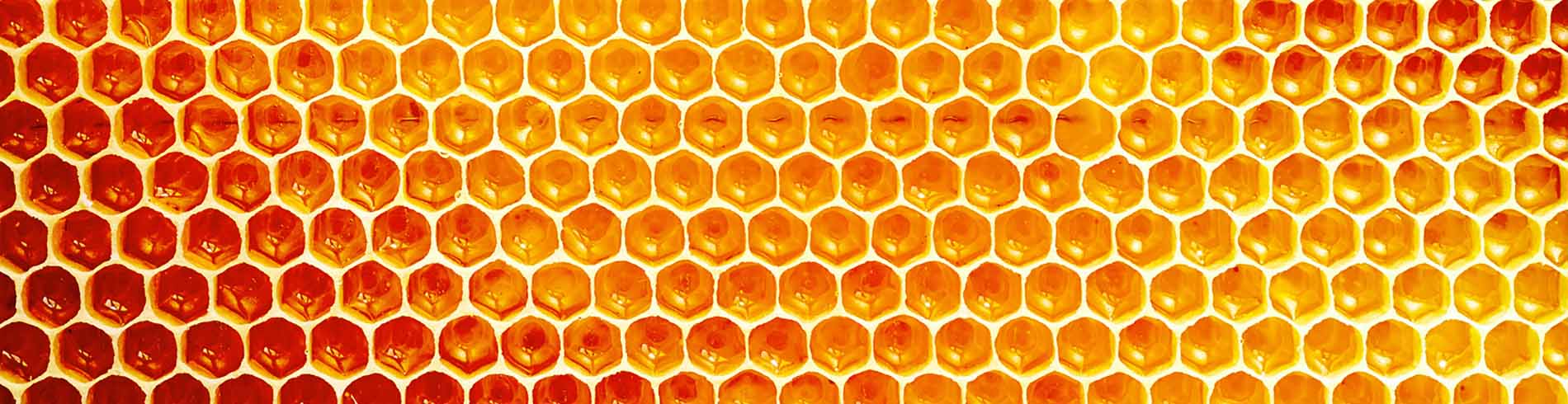
In accordance with Article 25, Chapter VIII of Regulation (EU) No 142/2011, beeswax in the form of honeycomb is a prohibited import into the European Union.
Apiculture by-products
Establishments that produce/process some inedible apiculture products to the EU must be listed on the European Commission's (EC) website. Listing of new establishments that produce/ process inedible products for export to the EU generally takes up to two months.
Apiculture by-products are defined in Regulation (EU) No 142/2011 as honey, beeswax, royal jelly, propolis or pollen not intended for human consumption.
Beeswax in the form of honeycomb
In accordance with Article 25, Chapter VIII of Regulation (EU) No 142/2011, beeswax in the form of honeycomb is a prohibited import into the European Union.
Apiculture by-products intended exclusively for use in apiculture (bee keeping)
Apiculture by-products must have been produced in accordance with the requirements of Regulation (EU) No 142/2011 and (EC) No 1069/2009.
For the English only certificate, use M453 (Manual only)
For the English/French bilingual certificate, use M454 (Manual only)
For the English/German bilingual certificate, use M455 (Manual only)
Certification attestations
I, the undersigned official veterinarian, declare that I have read and understood Regulation (EC) No 1069/2009 of the European Parliament and of the Council (1a) and in particular Article 10 thereof, and Commission Regulation (EU) No 142/2011 (1b), and in particular Annex XIV, Chapter II thereof, and certify that the apiculture by-products described above:
come from an area where the diseases listed below are officially notifiable and which is not subject to any restrictions associated with:
- American foulbrood (Paenibacillus larvae)
- Acariosis (Acarapis woodi (Rennie))
- Small hive beetle (aethina tumida)
- Tropilaelaps mites (Tropilaelaps spp.)
have been:
Either subjected to a temperature of -12 degrees Celsius or lower for at least 24 hours,
OR
In the case of wax, refined or processed in accordance with processing method 1-2-3-4-5-7 (2), as set out Chapter III of Annex IV to Regulation (EU) No 142/2011.
For beeswax, other than beeswax in the form of honeycomb, exported for purposes other than feeding to farmed animals
- The beeswax must only be derived from Category 3 materials referred to in Article 10(e) of Regulation (EC) 1069/2009.
- The beeswax must have been produced in accordance with the requirements of Annex XIV, Chapter II, Section I, Table 2, Row 10. of Regulation (EU) No 142/2011.
- The beeswax must be refined before export,
- OR
- It must have been processed in accordance with processing methods 1 to 5 or 7, as set out in Annex IV, Chapter III of Regulation (EU) No 142/2011 before export.
Other inedible non-prescribed goods
Compliance with relevant Australian domestic requirements. The Department is unaware of any certification requirements for this market.
28/06/2023 - New case migrated from previous country page.